
Chiayi District Prosecutors Office Partners with Taiwan After-Care Association to Donate Rapid Drug Test Kits Launching the Community Anti-Drug Guardianship Project to Demonstrate the Power of Restorative Justice



- Publication Date:
- Last updated:2026-06-11
- View count:146
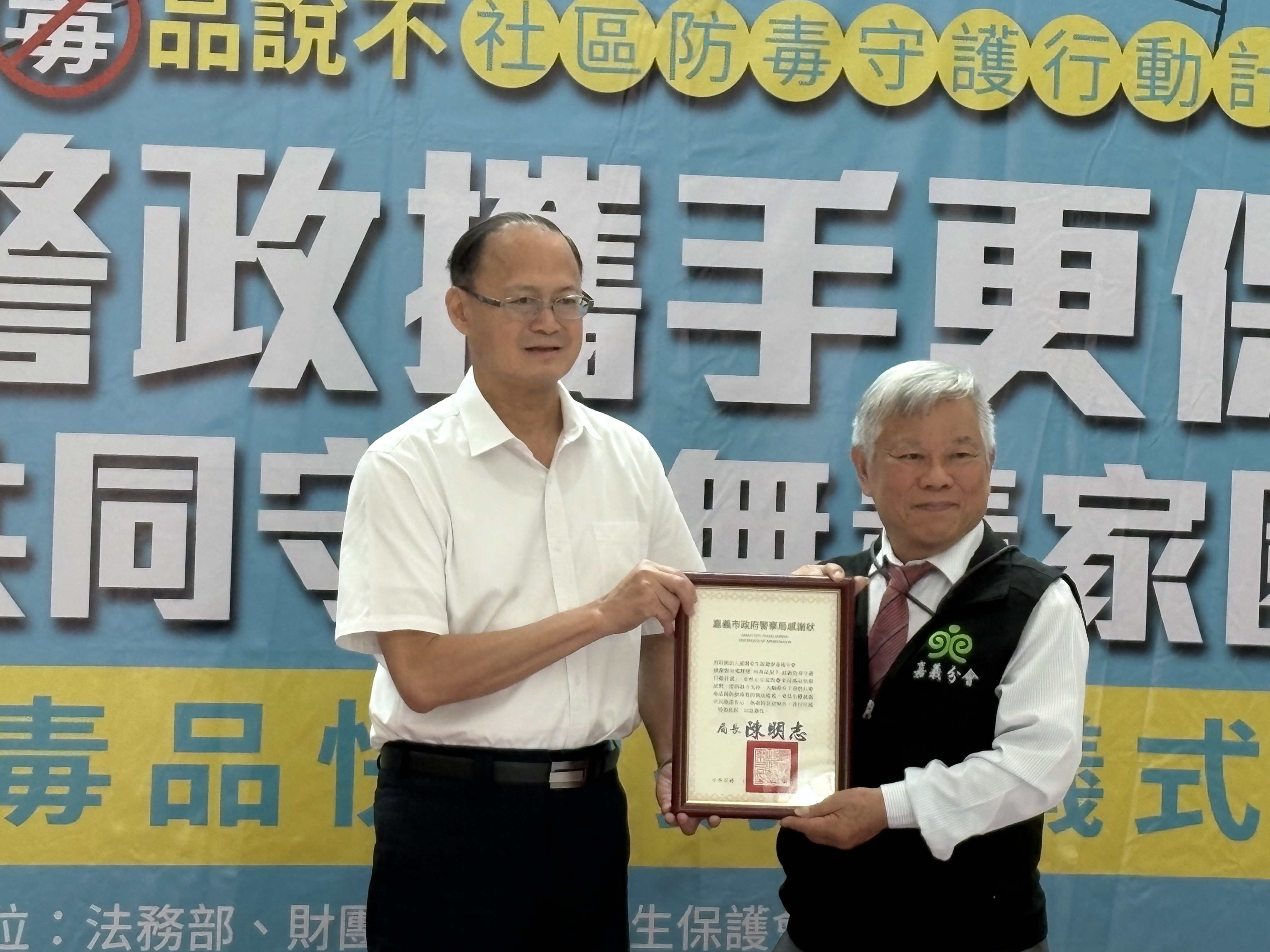
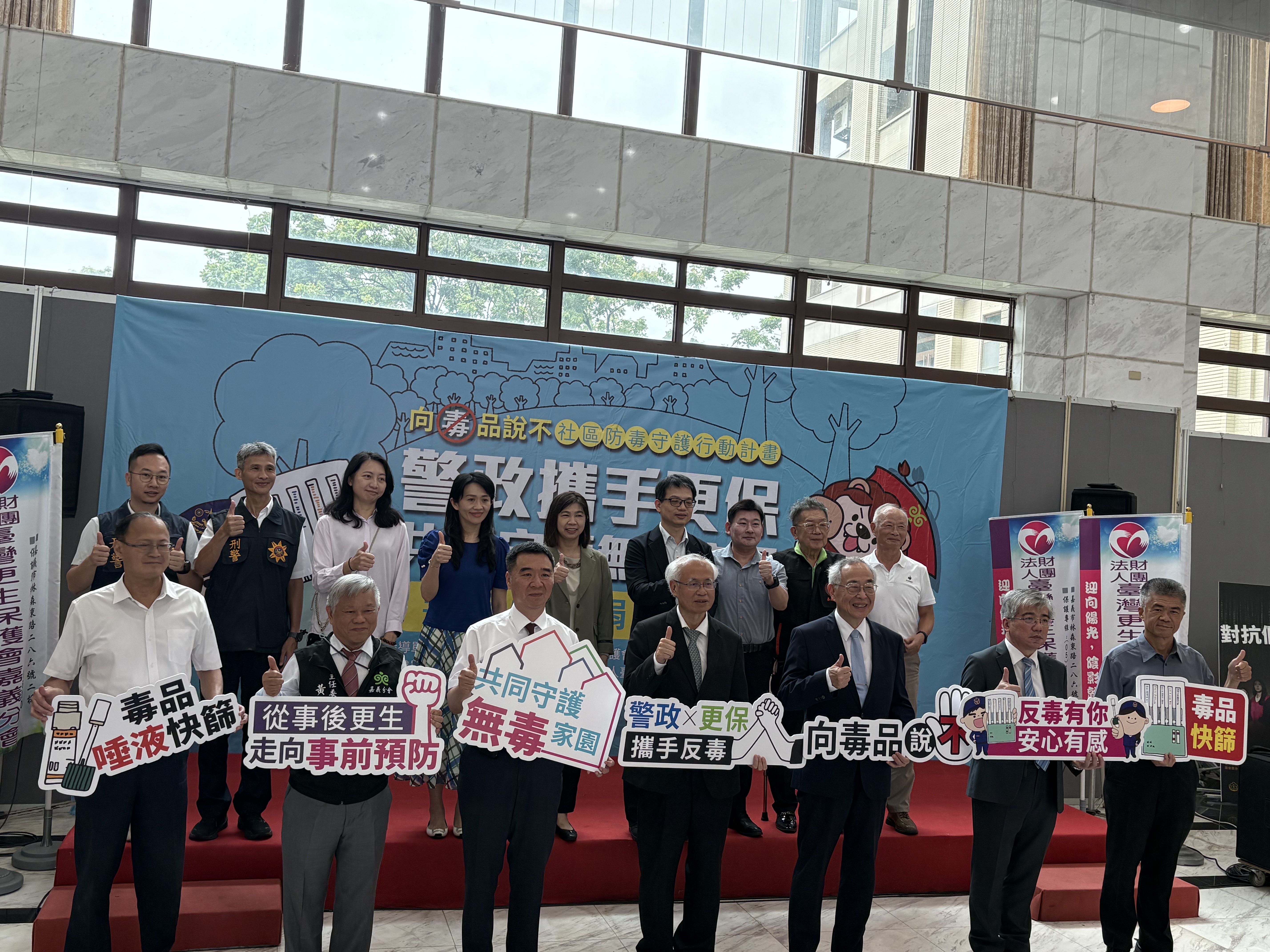
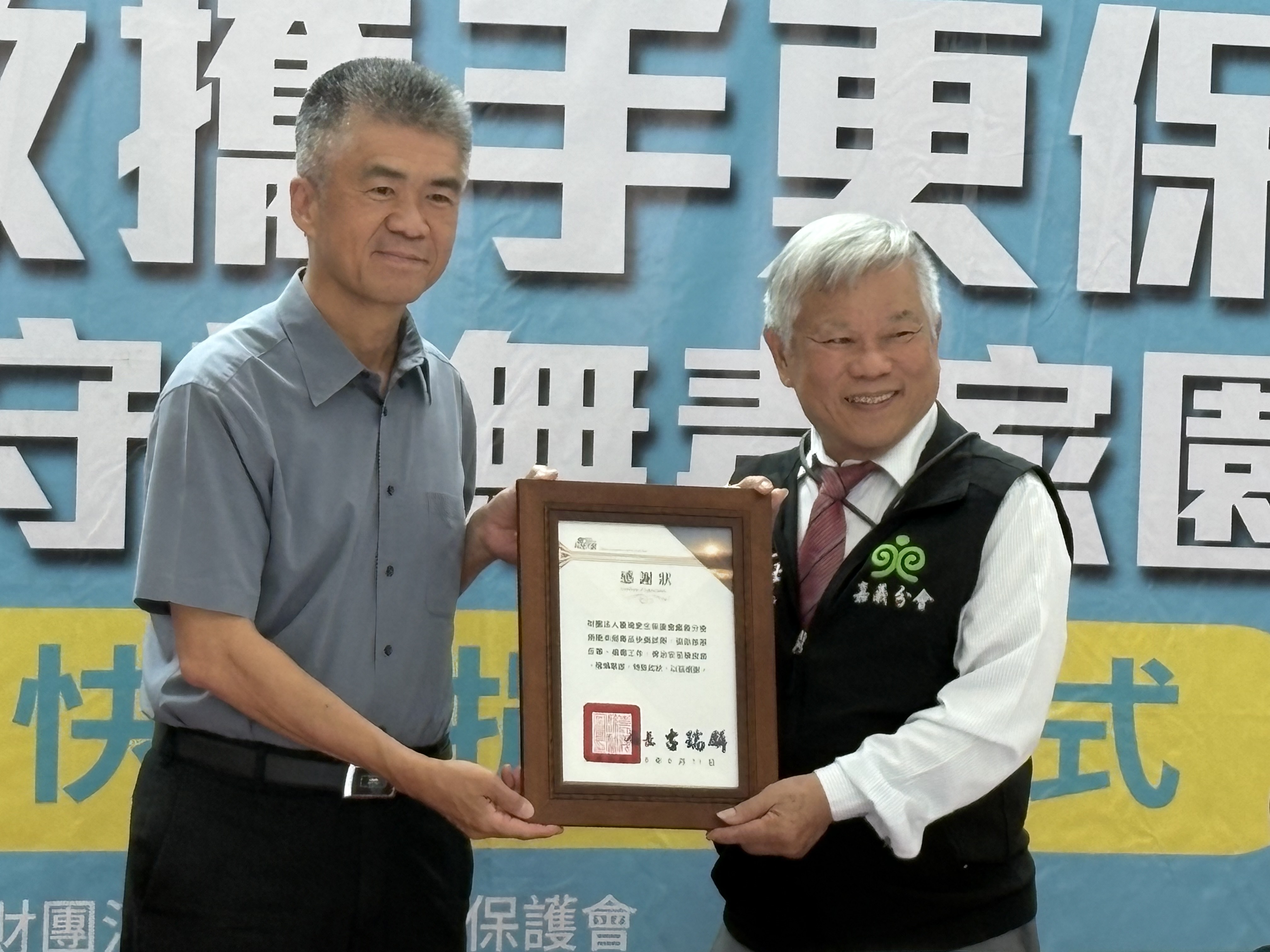
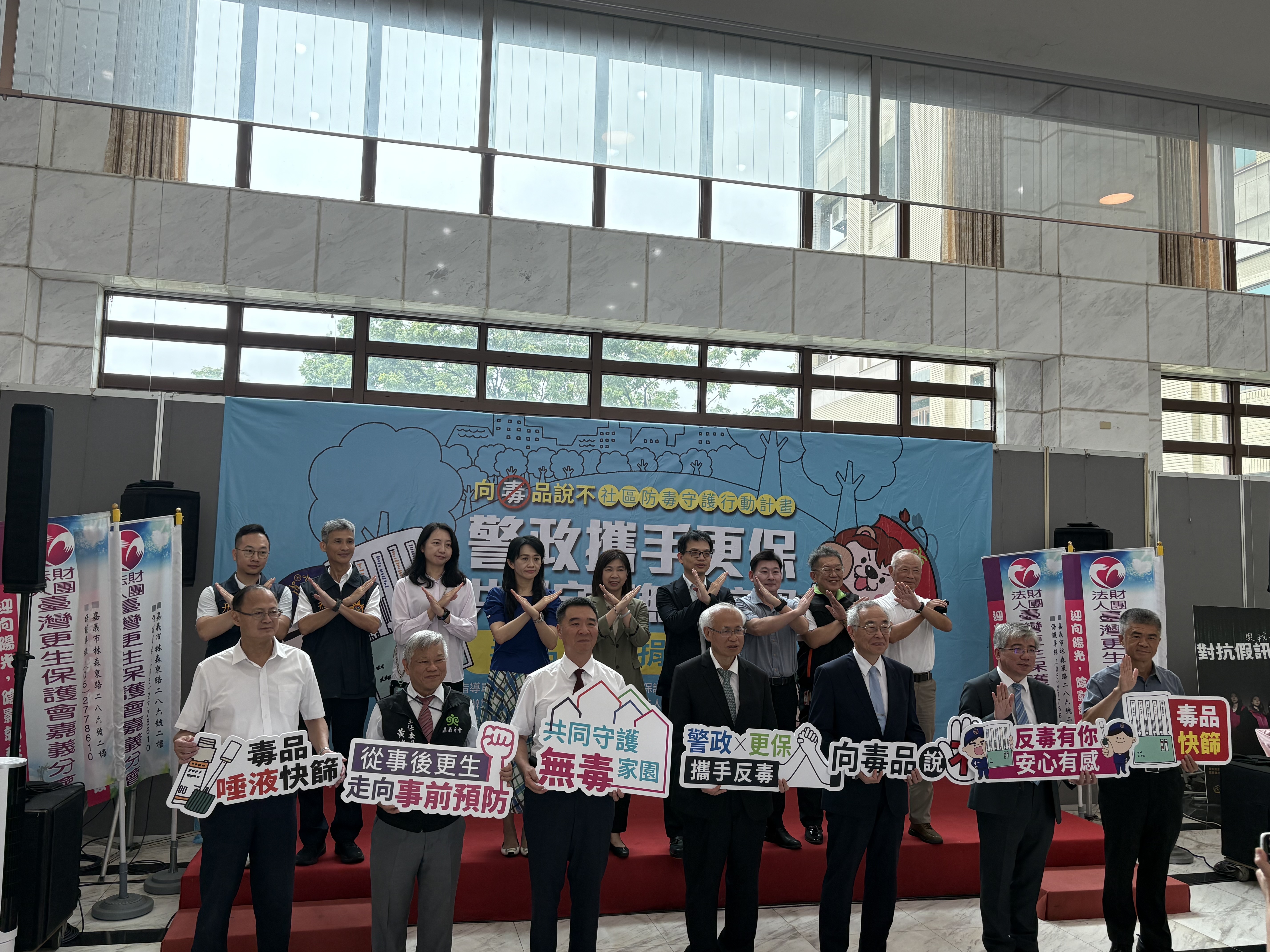
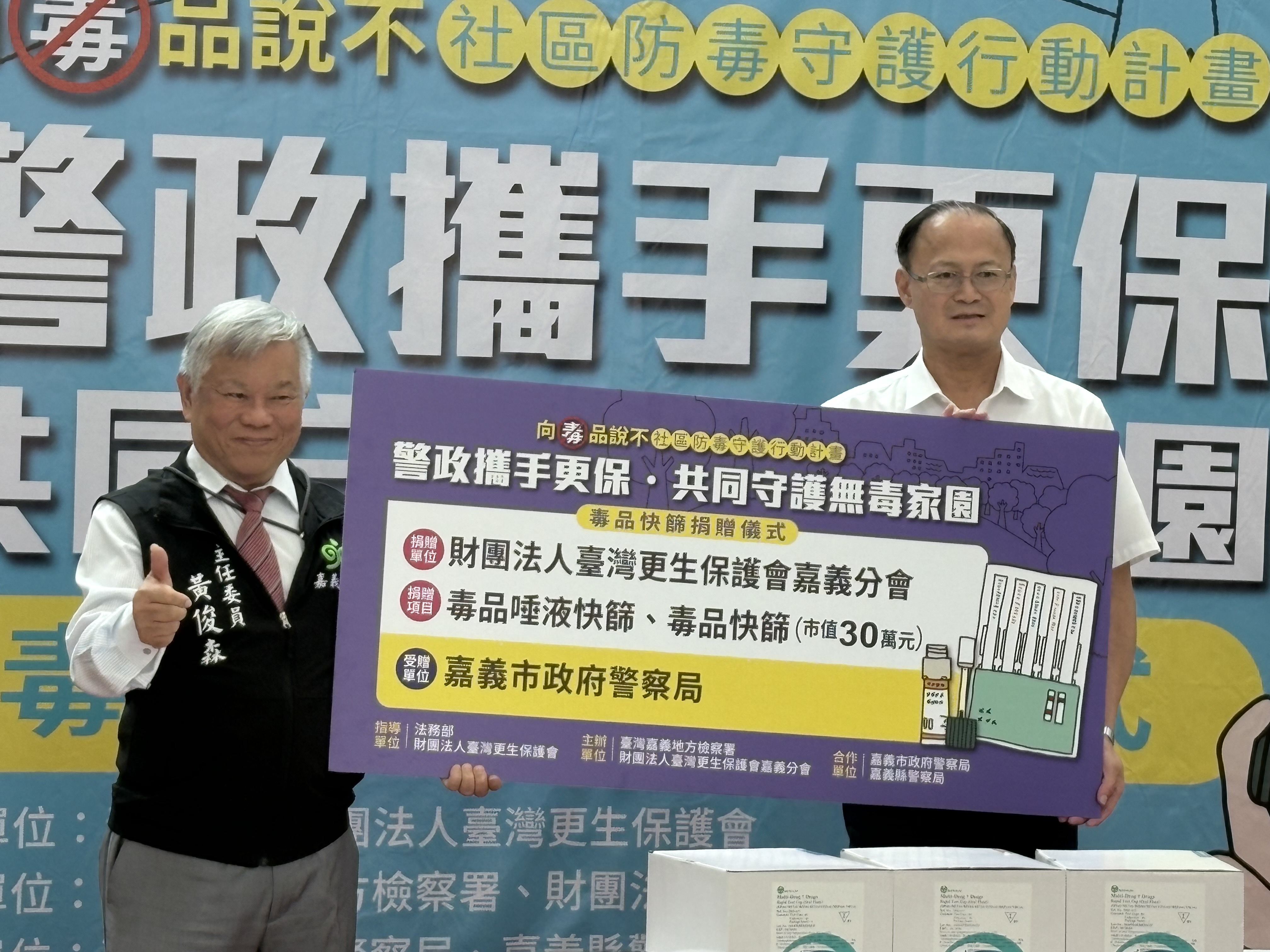
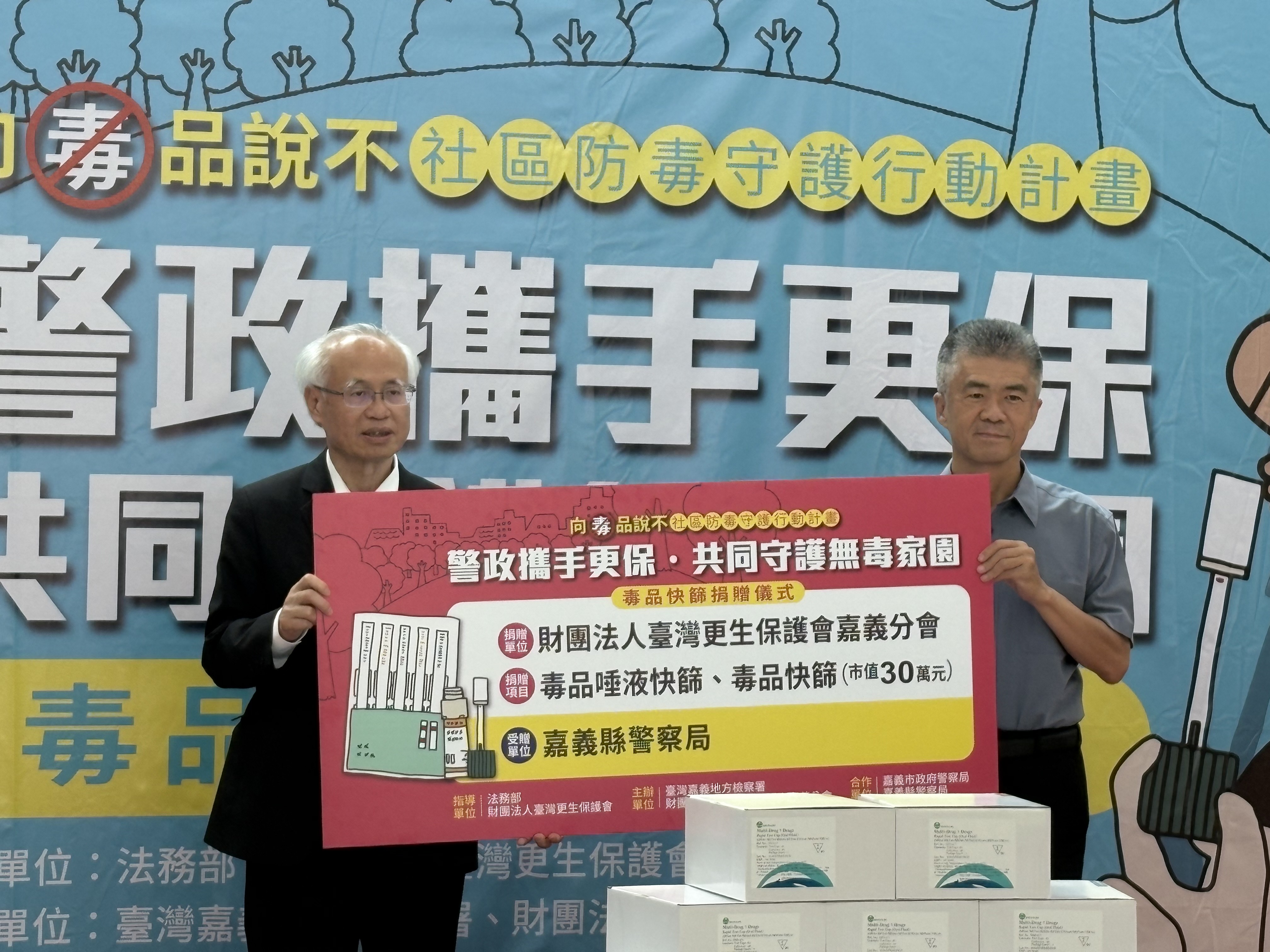
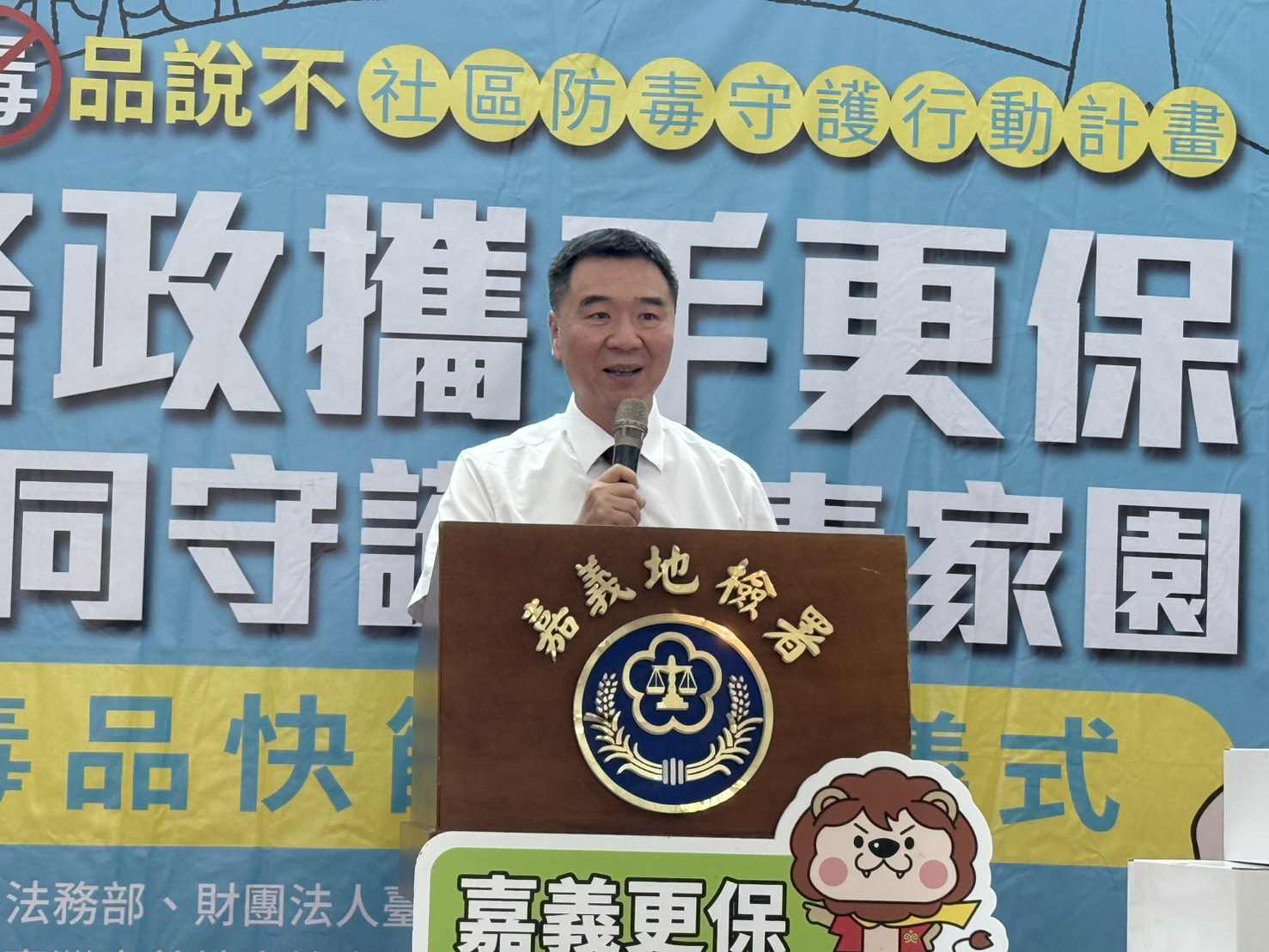
The Taiwan Chiayi District Prosecutors Office (CYDPO) and the Chiayi Branch of the Taiwan After-Care Association (TACA) have joined forces to launch the 2026 "Say No to Drugs: Community Anti-Drug Guardianship Action Project," aiming to reinforce the grassroots anti-drug network and protect residents' health. On the morning of June 11, 2026, at 10:30 AM, a grand "Rapid Drug Test Kit Donation Ceremony" was held in the first-floor lobby of the CYDPO. The organizers expressed special gratitude to the TACA board members for their generous donation of crucial anti-drug supplies, demonstrating through practical action the shared determination of the judiciary and the private sector to reject drugs.
To thoroughly implement the national anti-drug policy, high-ranking officials personally attended to guide the event, including Chang Tou-hui, Chief Prosecutor of the Taiwan High Prosecutors Office (THPO); Hung Hsin-hsu, Director-General of the Department of Prevention, Rehabilitation and Protection under the Ministry of Justice (MOJ); and Huang Yu-yuan, Chief Prosecutor of the Tainan Branch of the Taiwan High Prosecutors Office. Lin Wen-tsun, Chairperson of the Chiayi Branch of the Association for Victims Support, also attended the event. The donation was received on behalf of law enforcement agencies by Chen Yu-jen, Deputy Director-General of the Chiayi County Police Bureau, and Li Mao-yen, Deputy Director-General of the Chiayi City Police Bureau, who together witnessed this milestone of cross-network cooperation among prosecutors, police, and the private sector.
In response to the threats posed by emerging illicit drugs and drug-impaired driving to communities and youths, Tsai Tzung-Shi, Chief Prosecutor of the CYDPO, directed efforts to actively connect societal resources. Supported by Huang Chun-sen, Chairperson of the TACA Chiayi Branch, and various board members, this material donation was successfully arranged. During the ceremony, the TACA Headquarters and its Chiayi Branch presented a batch of rapid oral fluid (saliva) drug test kits to the Chiayi City and Chiayi County Police Bureaus. Due to their convenience and real-time results, these rapid test kits will serve as a sharp tool for frontline officers to prevent drug penetration, helping local communities construct a robust anti-drug defense system.
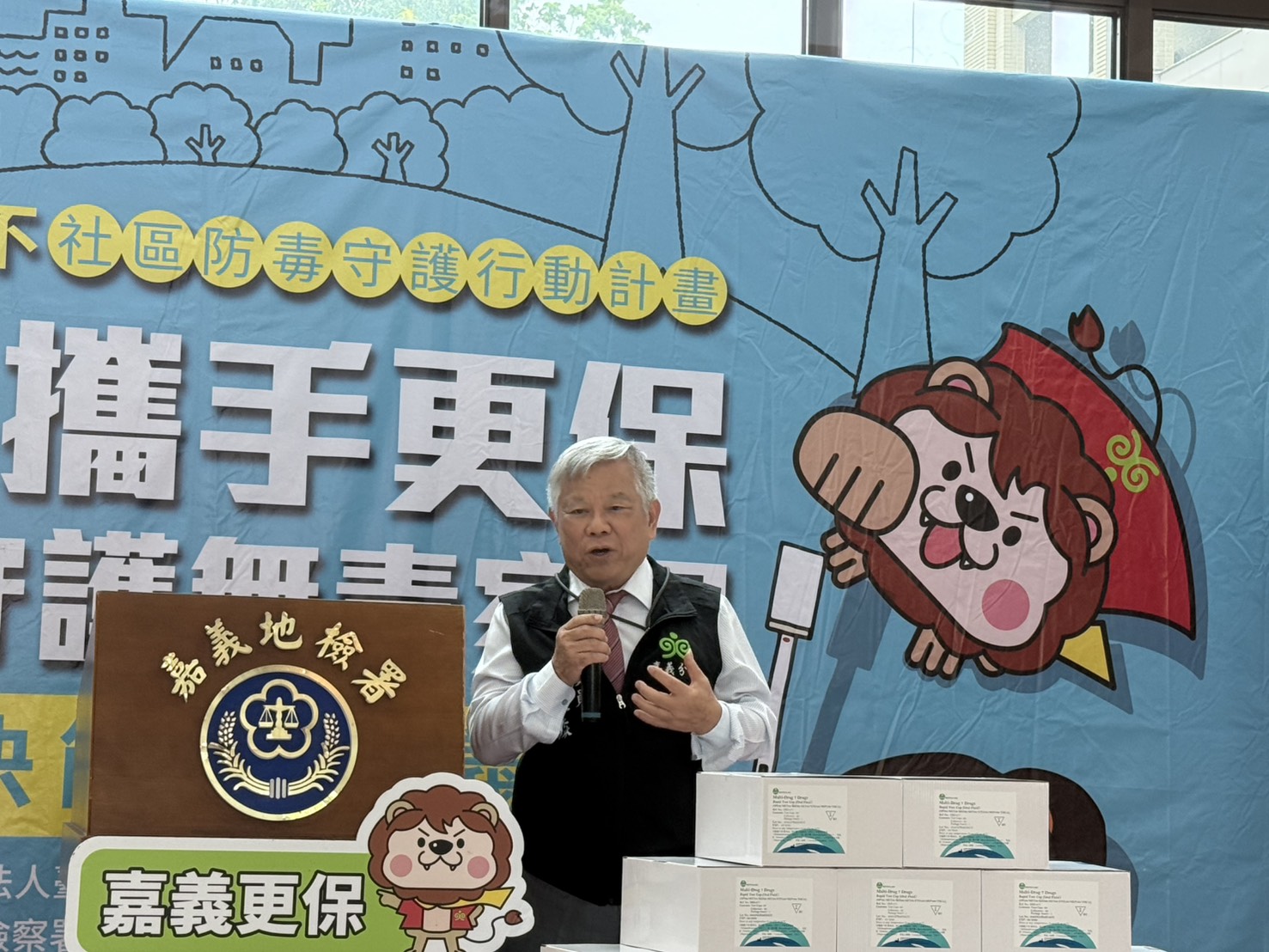
Huang Chun-sen, Chairperson of the TACA Chiayi Branch, stated that while TACA has long been dedicated to helping rehabilitated offenders rebuild their lives and successfully reintegrate into society, the organization has deeply felt the devastating impact that the proliferation of emerging drugs has on individuals and families during the counseling process. Therefore, anti-drug work cannot rely solely on "post-incident" counseling and relief; the defensive line must be pushed forward to "pre-incident" prevention within communities. Chairperson Huang emphasized that with the original mindset of "prevention is better than cure," the TACA Chiayi Branch actively raised private-sector resources to donate these rapid saliva test kits, hoping to serve as a solid shield for frontline police officers on duty. Through the injection of technological resources, this initiative aims not only to enhance drug enforcement efficiency and deter drug-impaired driving, but also to identify individuals who have gone astray as early as possible. By promptly introducing addiction treatment and counseling resources, the project seeks to jointly protect community safety across Chiayi City and County.
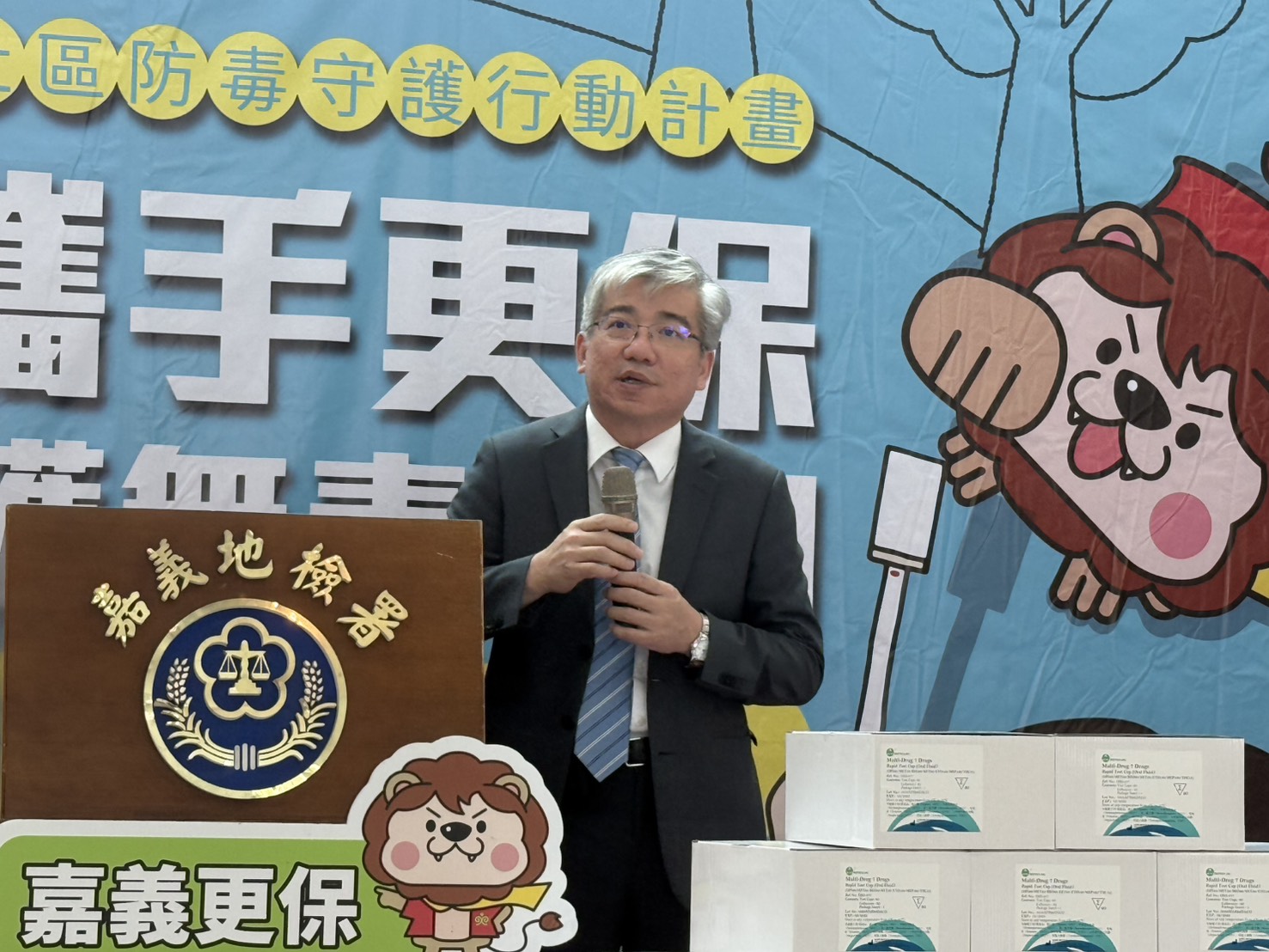
Chang Tou-hui, Chief Prosecutor of the THPO, noted in his speech that the current packaging of emerging drugs is highly deceptive, presenting major challenges to prevention efforts. Given the recent intense public concern over emerging drugs and drug-impaired driving, the THPO has integrated six major drug enforcement systems to fully launch the "National Crackdown on Drug-Impaired Driving Project," combining forces from all sides to combat drug hazards from the source to the end-user. This move aims to implement the Executive Yuan's three major approaches: "source deterrence, strengthened enforcement, and severe punishment for drug-impaired driving," aligned with the goals of the "Third Phase of the Strategy and Action Guidelines for Anti-Drug New Generation," which include cutting off supply and demand, stabilizing social reintegration, and suppressing recidivism. This cross-network collaboration between the CYDPO and TACA provides frontline police with rapid saliva test kits, enabling officers to conduct immediate preliminary tests during patrols or visits to grasp situations instantly, and to refer individuals to addiction treatment and counseling resources as needed. This move perfectly blends the "immediate enforcement" of tech-driven anti-drug efforts with "after-care protection," serving as a paradigm for cooperation among prosecutors, police, and civilians.
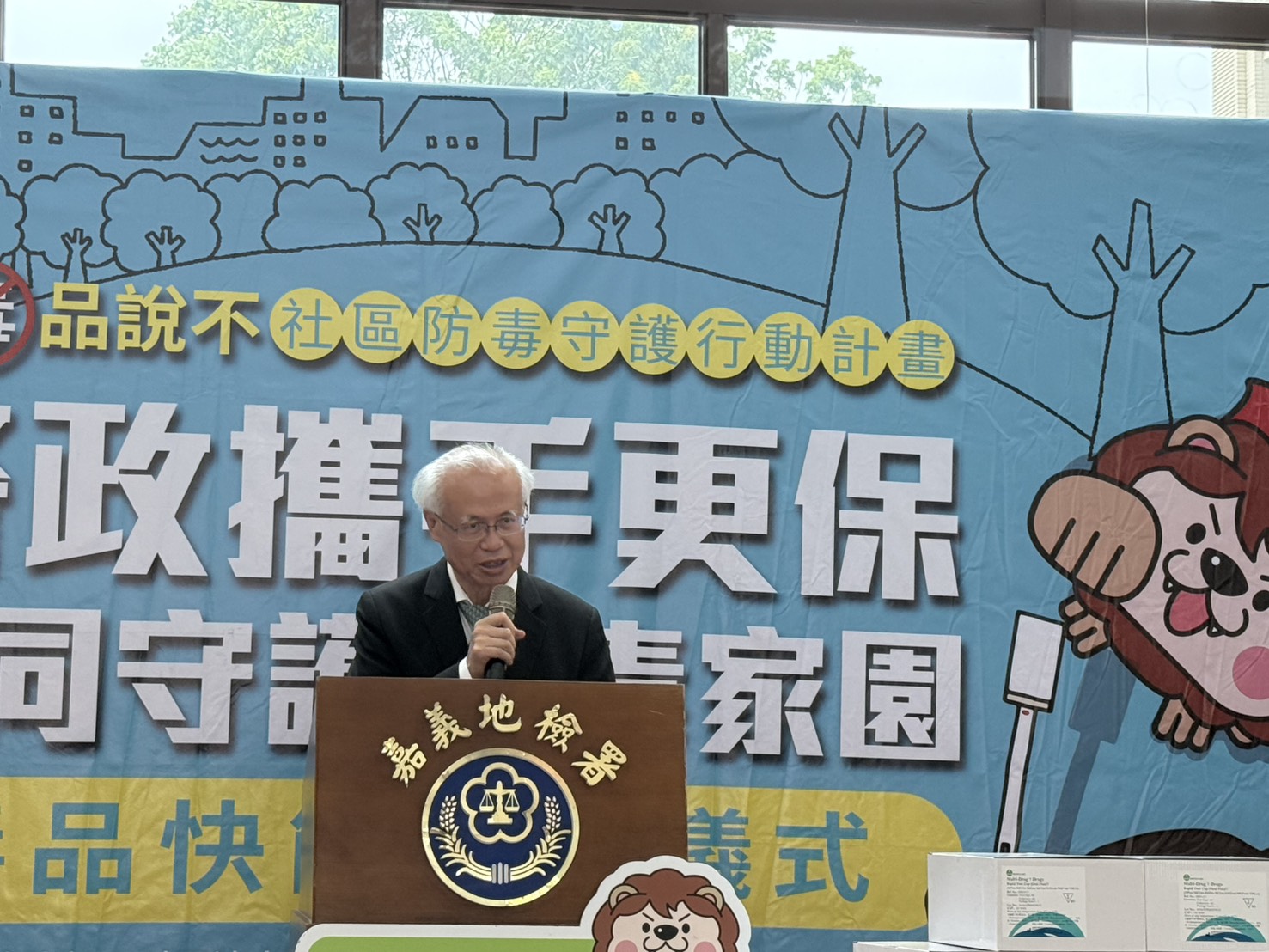
Hung Hsin-hsu, Director-General of the MOJ's Department of Prevention, Rehabilitation and Protection, highlighted in his speech that drug prevention is a core component of Taiwan's social safety net. The MOJ has long promoted "penetrative protection" and community anti-drug work, focusing not only on post-crime prosecution and treatment but also placing high value on proactive prevention and compassionate care. This donation ceremony fully demonstrates the social responsibility of the judicial organs and TACA. By combining private resources to enrich grassroots anti-drug capacity, it puts into practice a people-oriented, warm, and forward-looking spirit of restorative justice.
Chief Prosecutor Tsai of the CYDPO emphasized that drug prevention relies not just on drug enforcement by prosecutors and police, but requires resource integration and a more precise screening process for filing pretrial detention motions, thereby demonstrating law enforcement's resolve to curb crime and sustain positive social energy. The presence and guidance of superiors from the MOJ's Department of Prevention, Rehabilitation and Protection, the THPO, and the Tainan Branch of the THPO further reflect that prosecutors' offices and TACA do not merely conduct prosecution and counseling after the fact, but maintain a long-term focus on the life safety and physical/mental health of local residents. In the future, the CYDPO will continue to fulfill the social responsibility and compassionate warmth of the judiciary, allowing the spirit of the rule of law and humanistic care to run side by side.
Pictures
3CD68C07-A151-4C0D-965B-D648AC91DF9D_0
9A636662-AD38-4965-851D-86CDB44F5CCF_0
30BCB535-5341-4C59-B7C3-59708ED4F42D_0
366C6F6F-0DAB-4D7A-924D-8ED5D33A364C_0
DCB668A6-F17B-4B23-8FBA-0DD8624E21E9_0
E27802B9-E629-4D03-A42D-10C84D1813F4_0
S__76808206_0_0
S__76808209_0
S__76808213_0_0
S__76808216_0