
Chiayi Chief Prosecutor Tsai Tzung-Shi Leads Prosecutors Deep into Frontline Police Stations Partnering with Judicial Police to Strictly Investigate Vote-Buying in the 2026 Local Public Officials Election



- Publication Date:
- Last updated:2026-10-02
- View count:4
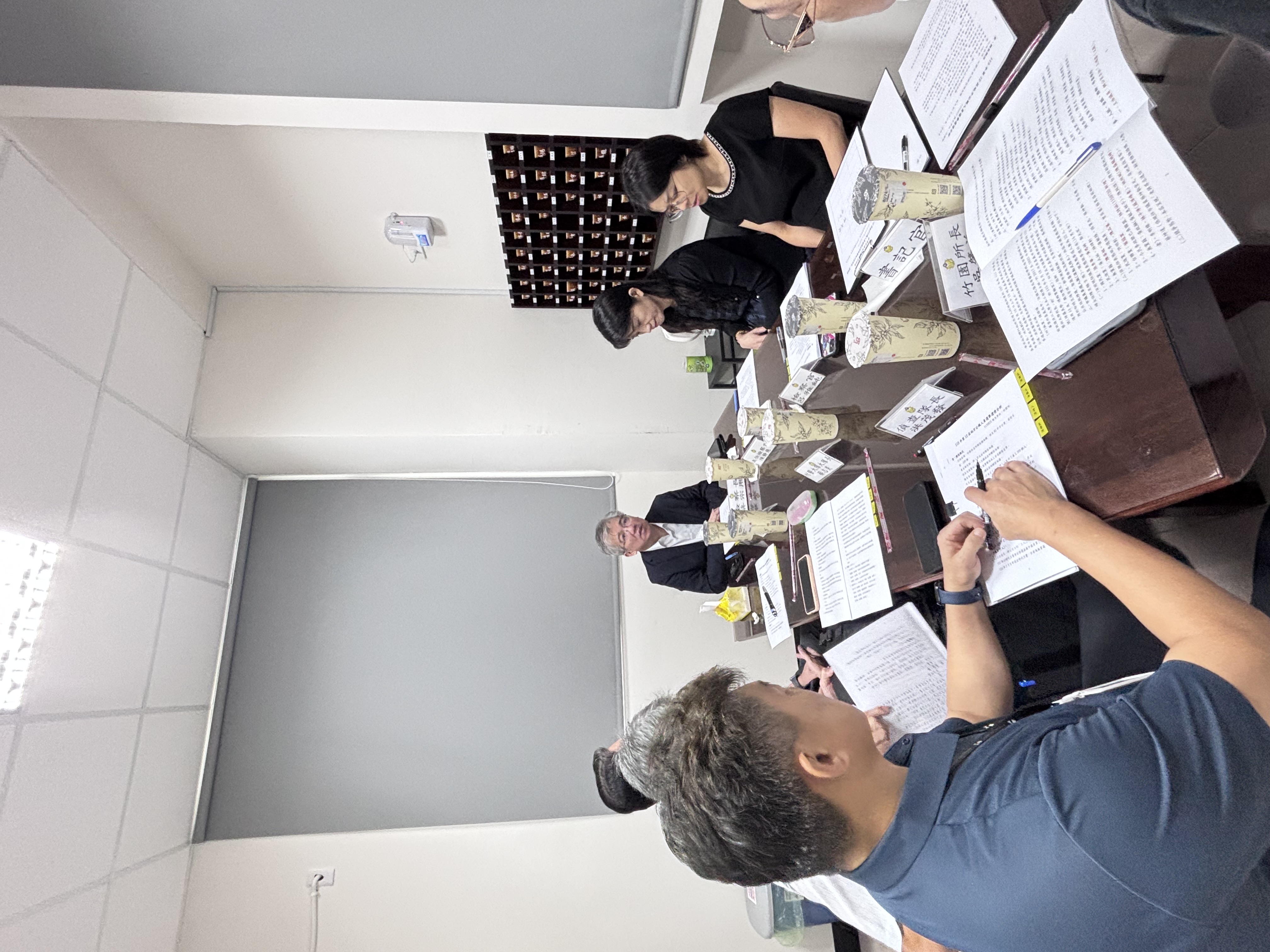
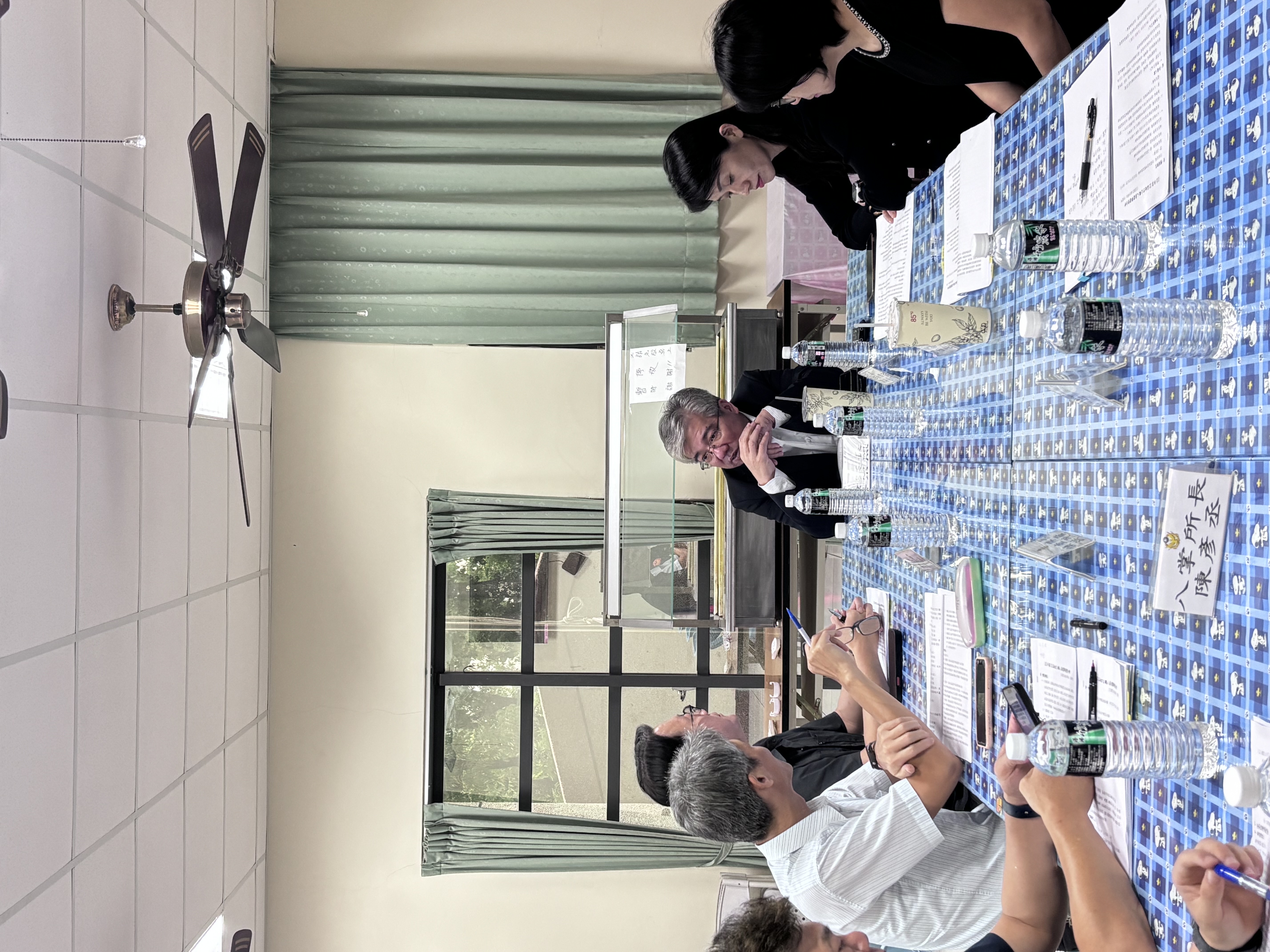
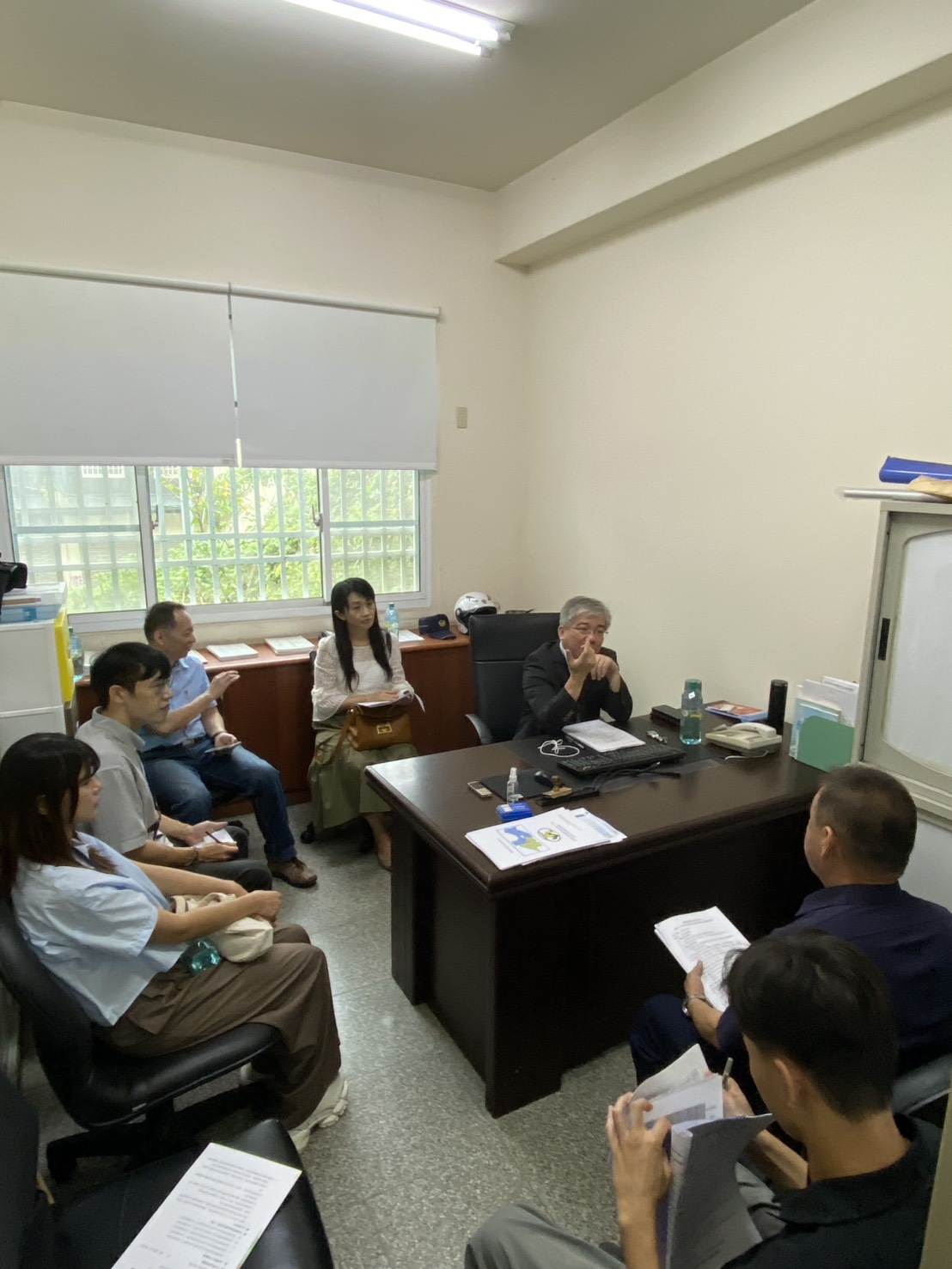
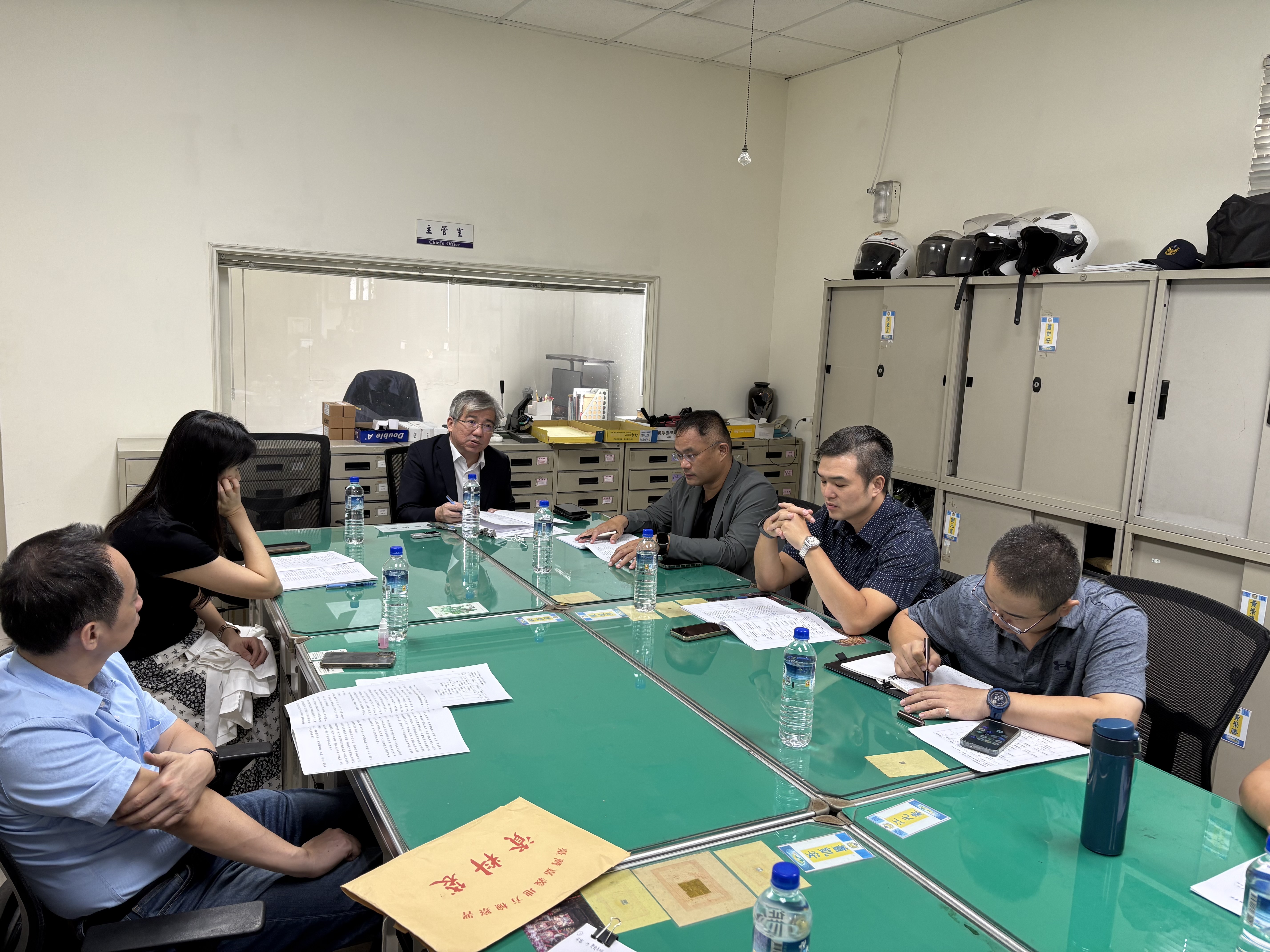
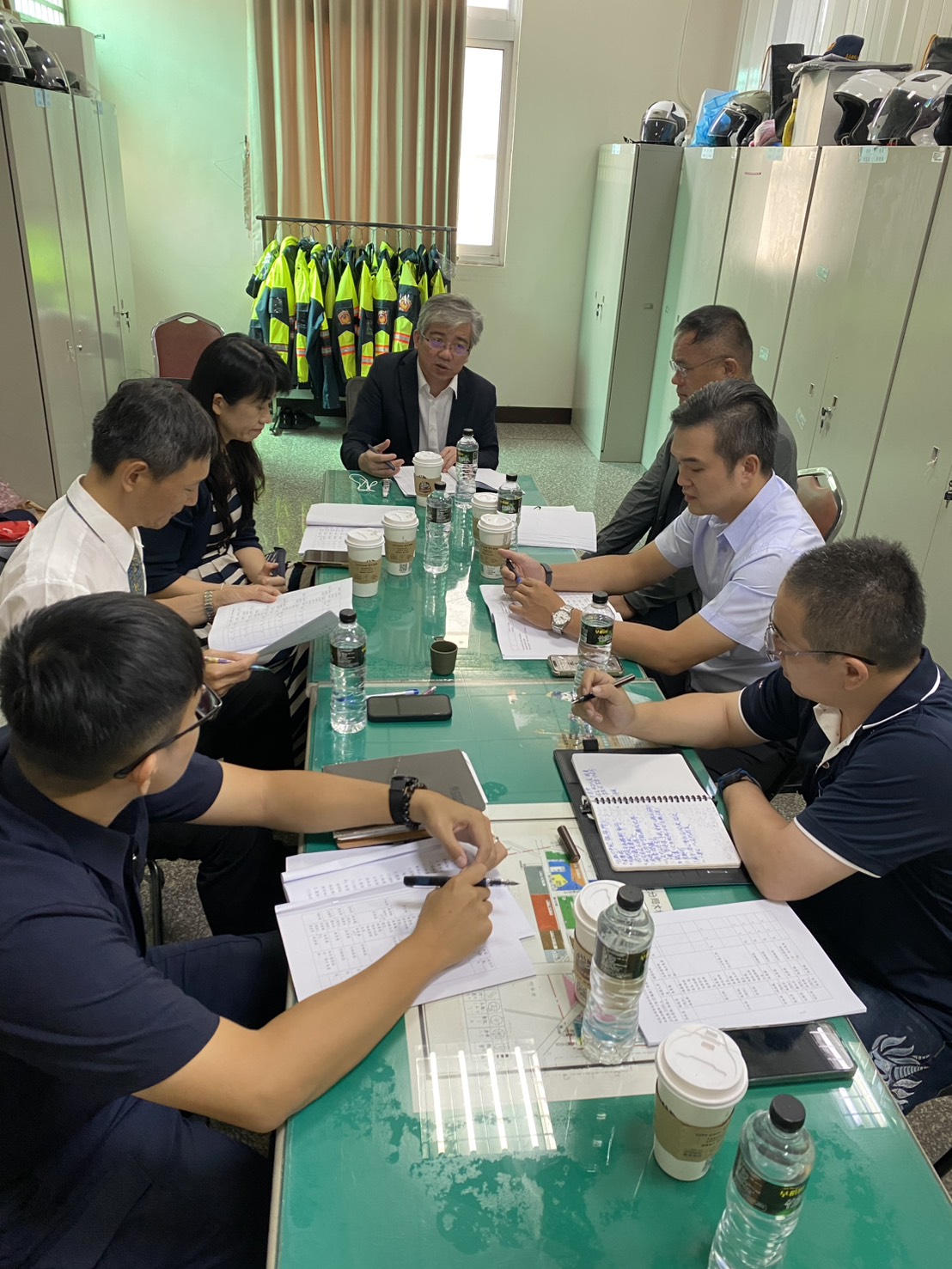
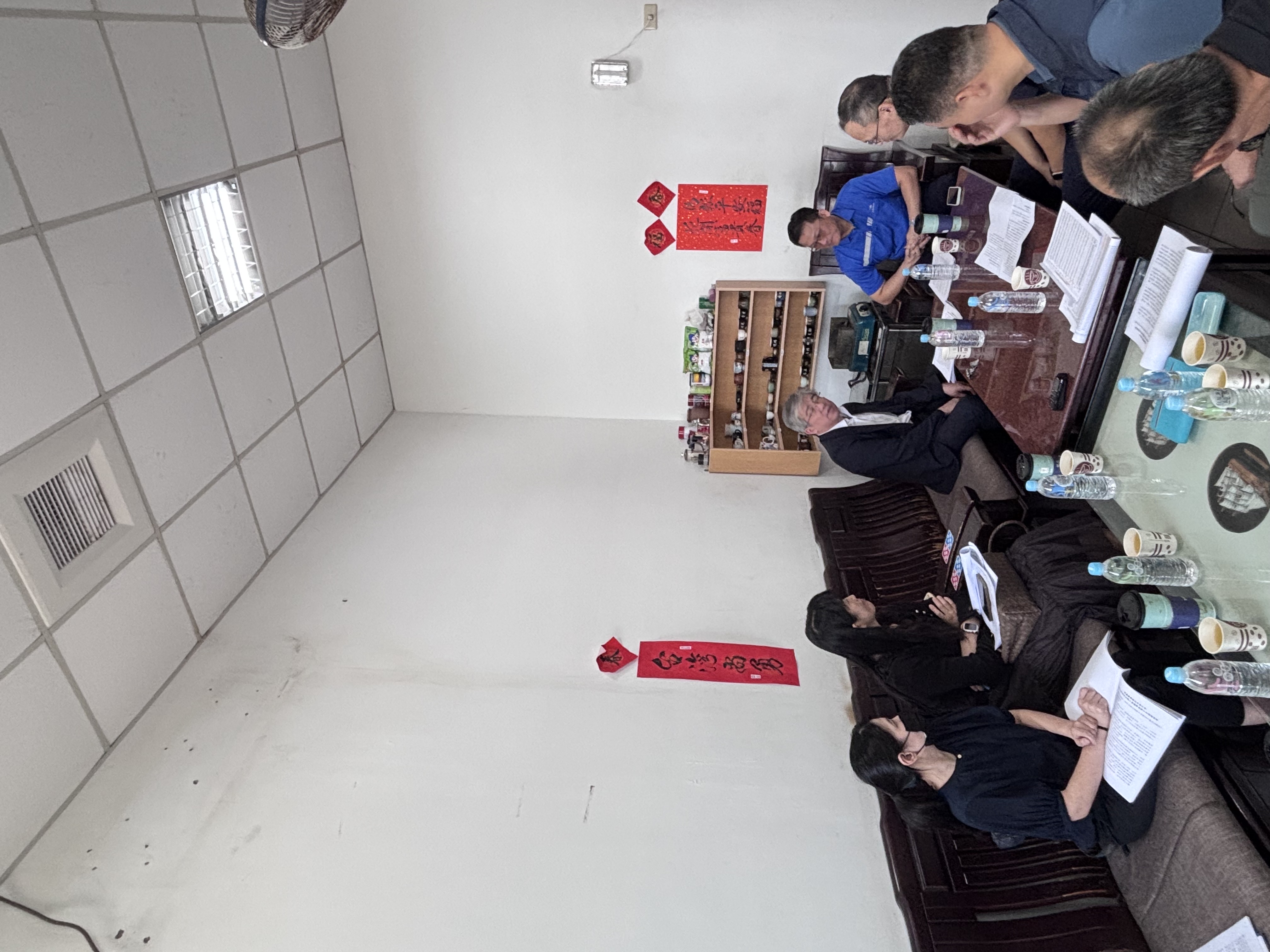
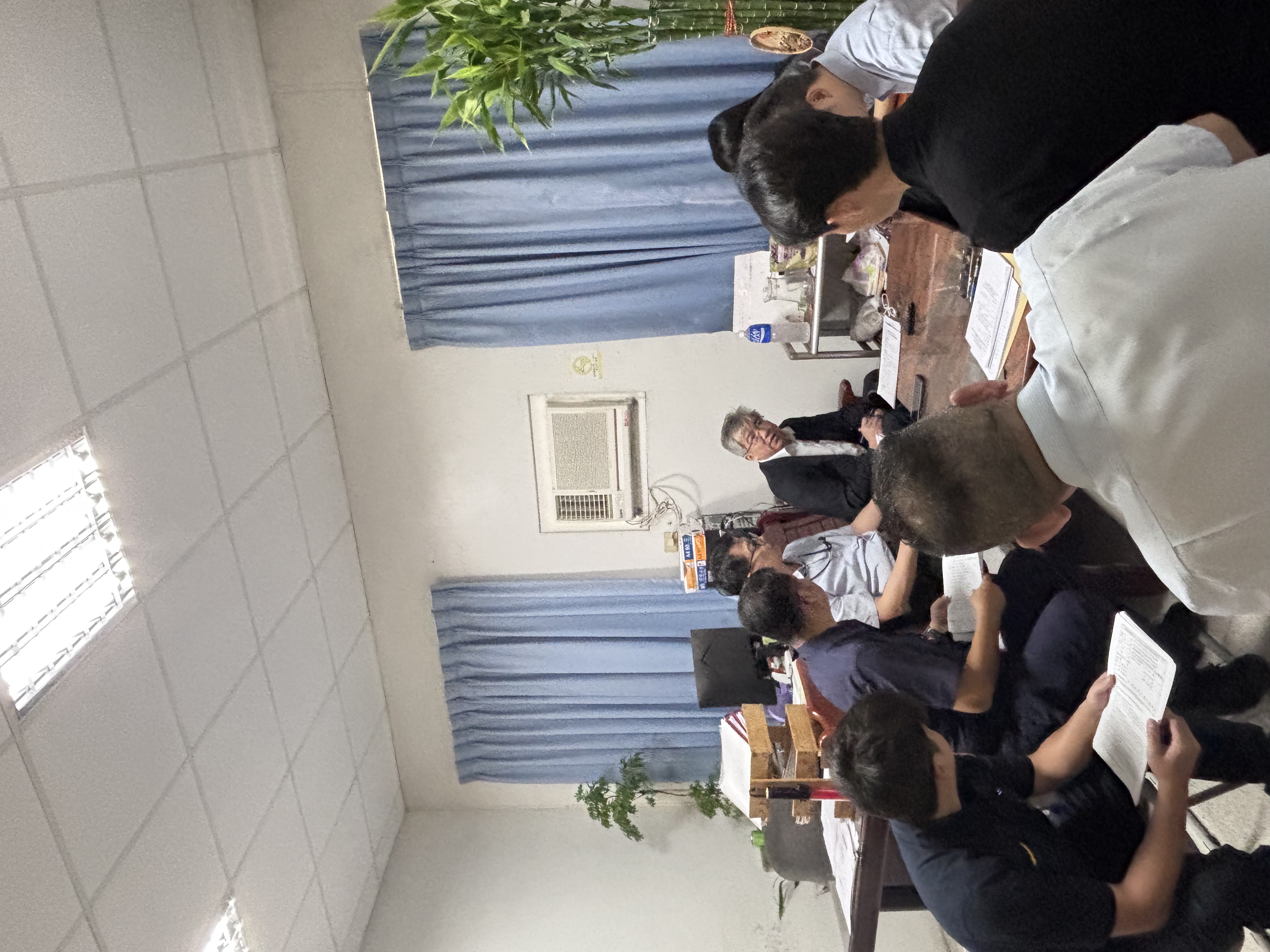
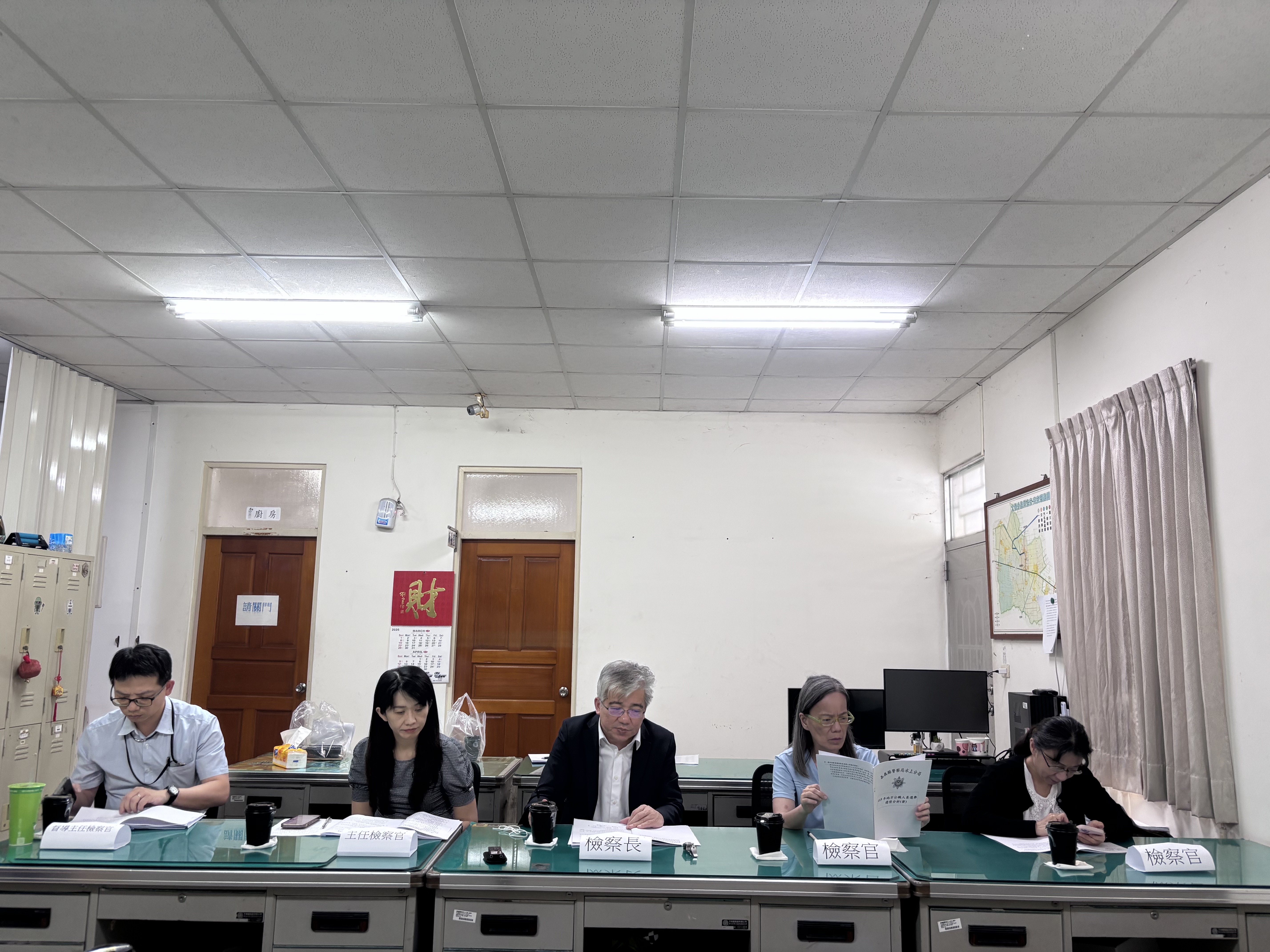
To fully implement investigation efforts for the 2026 local public officials election, Chief Prosecutor Tsai Tzung-Shi of the Taiwan Chiayi District Prosecutors Office—along with Head Prosecutors Chiang Chih-jen, Chiang Chiang-hsing, Chen Ching-hui, and Lin Yi-chun, as well as district prosecutors—led an intensive tour from mid-August through October 2, 2026, across police precincts in Chiayi County and Chiayi City.
The team visited ten police substations (Shuishang, Yiren, Zhuwei, Bajhang, Budai, Luman, Shuangxi, Minxing, Xing'an, and Changzhu) and nine police branches (Taibao, Leye, Fanlu, Yizhu, Meishan, Xingang, Dalin, Liujiao, and Dongshi). They requested written reports on local election dynamics and anti-vote-buying work from all 92 branch and substation chiefs within the jurisdiction, held individual interviews on implementation progress, and engaged directly with frontline judicial police to gain practical insight into intelligence gathering, operative placement ("bomb-planting" strategies), and operational readiness. The Prosecutors Office consolidated these written reports to build a comprehensive vote-buying investigation database for this year, aiming to leverage collective synergy to safeguard a fair and clean electoral environment.
Chief Prosecutor Tsai issued strategic directives focusing on key inspection areas and emerging election interference threats:
1. Strictly investigate "ghost populations" and false residency registrations:
Conduct cross-comparisons and field visits regarding abnormal household registration transfers. Focus areas include four key patterns: an unusually high number of transferees into a single household, registrations at vacant houses, ruins, or commercial addresses without actual residency, single individuals proxy-handling multiple collective transfers, and sudden population spikes at the registered addresses of candidates and their family members, thereby ensuring the accuracy of the electoral roll.
2. Crack down on "package vote-buying" and composite bribery:
Given the multi-seat, multi-level nature of local elections, local campaign agents ("stumps") may use "package vote-buying" or "composite vote-buying" to bundle bribes for candidates across different tiers. Police must closely track the support tendencies, factional affiliations, organizational mobilization, and interpersonal networks of local figures (such as borough and village chiefs) and key campaign agents, placing high-impact individuals under primary surveillance. Any language suggesting bribery (such as "helping out for a price") or concrete evidence must be immediately reported to the District Prosecutors Office to direct the investigation.
3. Deepen intelligence networks and diversify information channels:
Intelligence collection should be "diversified, localized, and grass-rooted," prioritizing operative placement in tight races and high-risk villages. In addition to traditional channels, young people and community members should be encouraged to proactively report intelligence. Meanwhile, strict confidentiality and protection mechanisms for informants and police-civilian dialogues must be implemented. The public should be advised to thoroughly document the "person, event, time, place, object, and method of benefit delivery" when making a report. Even recipients of bribes who report the crime in accordance with regulations are legally eligible to apply for informant rewards.
4. Comprehensively prevent multifaceted election interference:
-
Banquets and Souvenirs/Gifts: Maintain continuous communication with local catering businesses and community associations to prevent candidates from conducting disguised vote-buying—such as providing free meals or gifting souvenirs—under the guise of banquets, senior citizens' clubs, temple festivals, or community events.
-
Underground Gambling Rings and Capital Intervention: Conduct preventive outreach and oversight targeting suspicious bookmakers with histories in Mark Six or underground gambling, rigorously investigating the influx of illicit capital into the election.
-
Indigenous Tribal Investigations: Respect tribal culture and the nuances of native languages while strictly preventing cash or material incentives used to solicit tribal elders and members.
-
Deepfake Audio/Video Countermeasures: Follow processing workflows established by the Supreme Prosecutors Office and High Prosecutors Office for deepfake cases, assisting victims with timely technical authentications to precisely investigate and handle AI-driven election interference cases.
The Chiayi District Prosecutors Office emphasized that the goal of anti-vote-buying operations is "deep investigation and precise prosecution." Prosecutors and police will maintain close cooperation to ensure real-time reporting and cross-verification. The Prosecutors Office once again appeals to citizens to step forward and report any vote-buying or unlawful election interference to jointly protect the fairness and purity of democratic elections.
Pictures
S__81707053_0
S__81707052_0
S__81707051_0
S__81707050_0
S__81707049_0
S__81707048_0
S__81707047_0
S__81707045_0