
Chiayi District Prosecutors Office Convenes 2026 Chiayi Regional Civil Service Ethics Liaison Meeting Inter-Agency Cooperation Enhances Notification Mechanisms to Jointly Combat Election Bribery



- Publication Date:
- Last updated:2026-09-01
- View count:2
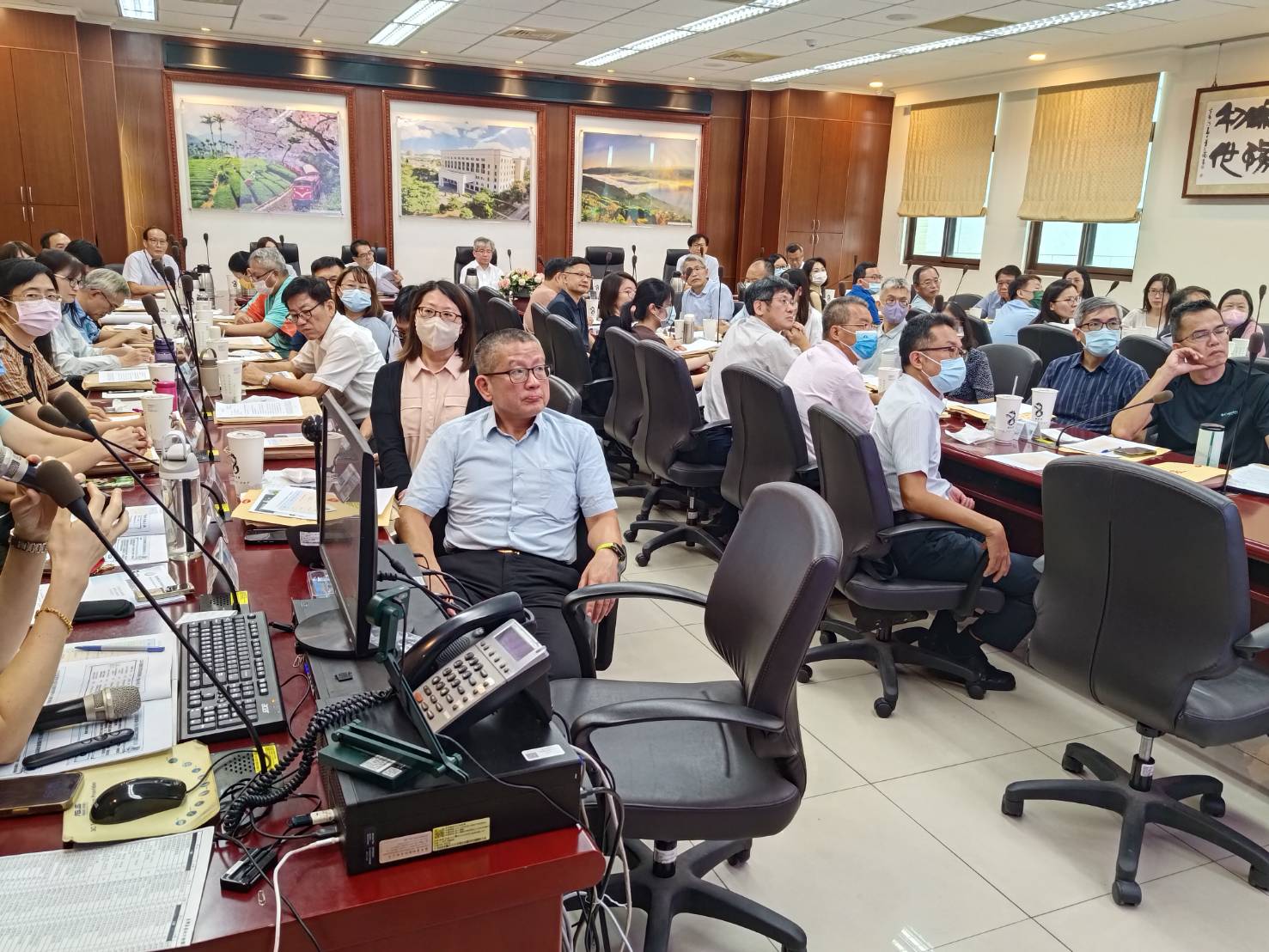
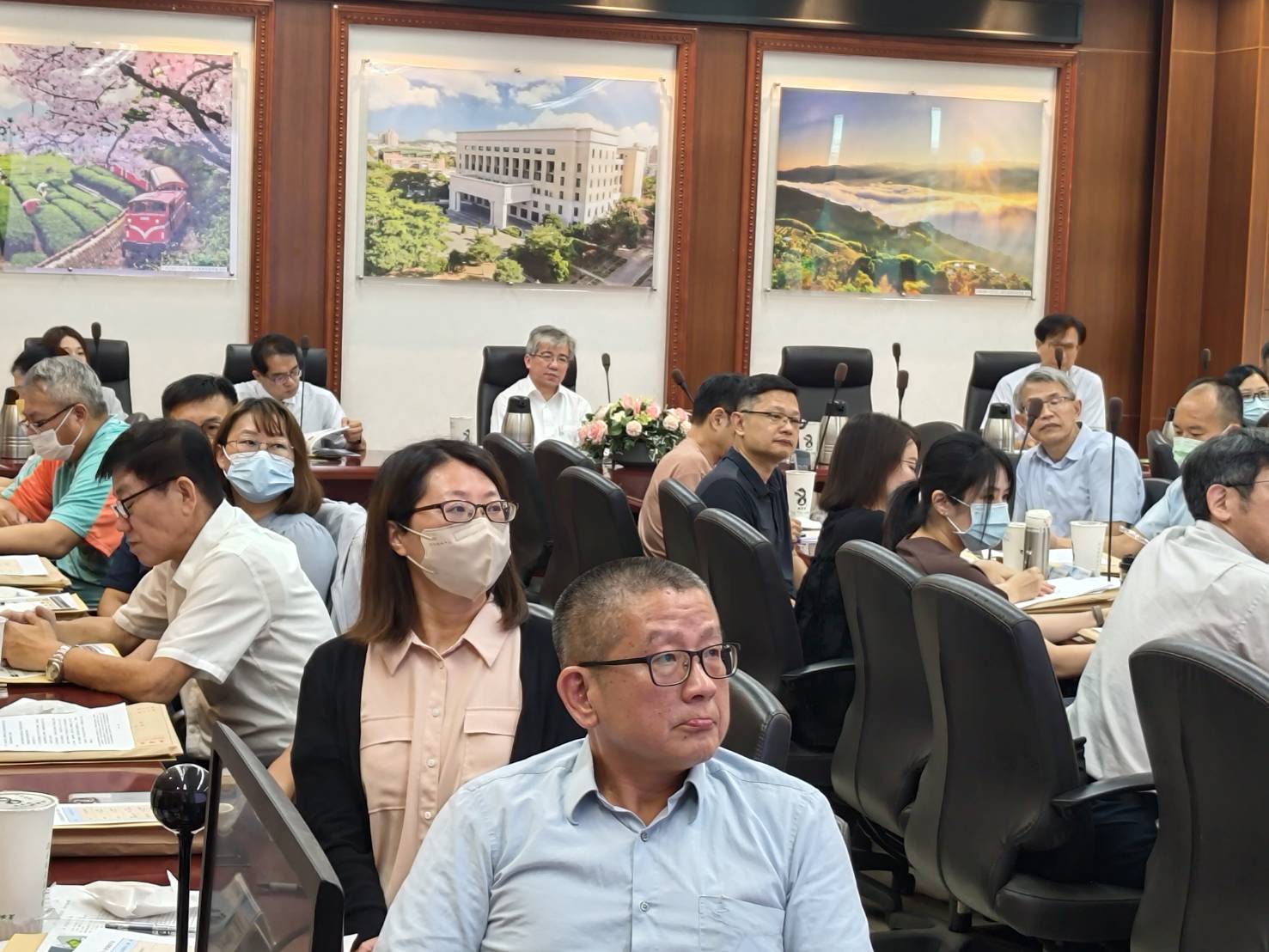
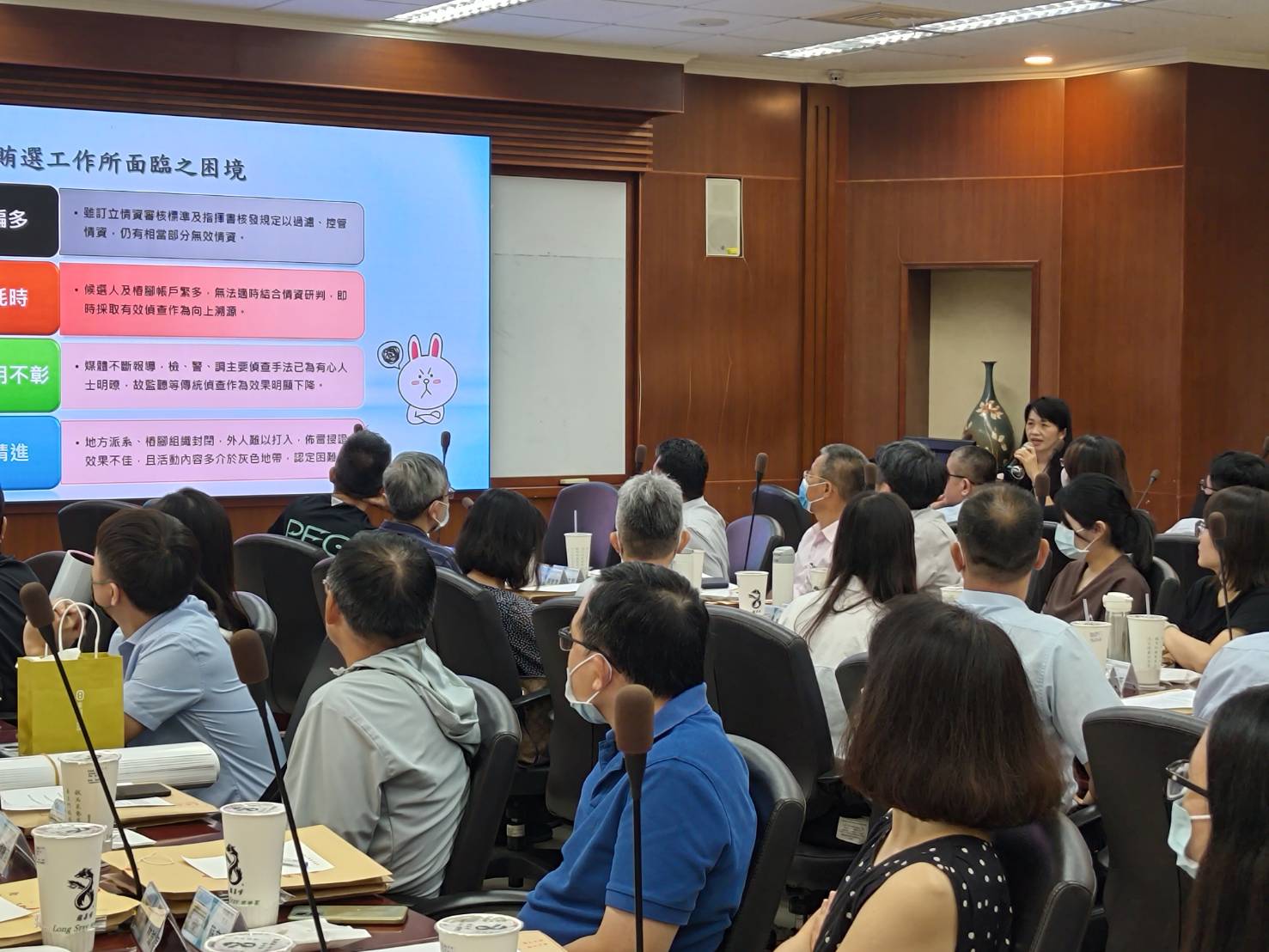
The Chiayi District Prosecutors Office convened the "2026 Chiayi Regional Civil Service Ethics Business Liaison and Coordination Center Meeting" yesterday (31st). Chaired by Chief Prosecutor Tsai Tzung-Shi, the meeting brought together 54 attendees, including Director Hsu Chia-lung of the Southern Regional Survey Team of the Agency Against Corruption (AAC), Ministry of Justice; Section Chief Chuang Nai-hui of the Civil Service Ethics Office of the Taiwan High Prosecutors Office; Director Liu Ming-kuei of the Civil Service Ethics Office of the Taiwan High Prosecutors Office Tainan Branch; Director Liu Meng-cheng of the Civil Service Ethics Department of Chiayi City Government; Director Kuo Chien-yi of the Civil Service Ethics Department of Chiayi County Government; Director Kang Ming-wang of the Civil Service Ethics Office of the National Palace Museum; and heads of civil service ethics offices from central and local government agencies and state-owned enterprises in the Chiayi region. Participants engaged in thorough discussions and exchanges regarding ethics operations, election bribery investigations, and anti-fraud and anti-bribery campaigns for the 2026 local public officials 9-in-1 elections, successfully strengthening liaison and coordination mechanisms between prosecutorial and administrative agencies.
During the meeting, Chief Prosecutor Tsai Tzung-Shi outlined five operational priorities for civil service ethics, emphasizing that corruption prevention must be integrated into daily management:
-
Attendance and Performance Appraisals: As matters like overtime allowance issuance carry corruption risks, agencies must strictly conduct audits to prevent false claims and fraudulent receipts.
-
Procurement Operations: Personnel concurrently handling procurement duties should enhance their professional training and strictly enforce the law. Procurements must be declared void when required, non-compliant bids must strictly be rejected, and formal written review opinions must be properly recorded.
-
Ethics Codes: Agencies must continuously reinforce civil service ethical standards. Regarding gifts or items received, officials must strictly evaluate the monetary value, cause, and timing, and firmly reject any inappropriate gifts.
-
Public Property Management: Agencies should conduct periodic inventories and utilize cadastral maps to verify current land use, issuing immediate payment notices or reminders upon discovering any illegal occupation.
-
Election Intelligence: Ethics officers are encouraged to closely monitor local election dynamics and immediately activate notification mechanisms upon receiving bribery intelligence. Prosecutorial and ethics authorities will work hand-in-hand to safeguard a clean, incorruptible electoral and public service environment.
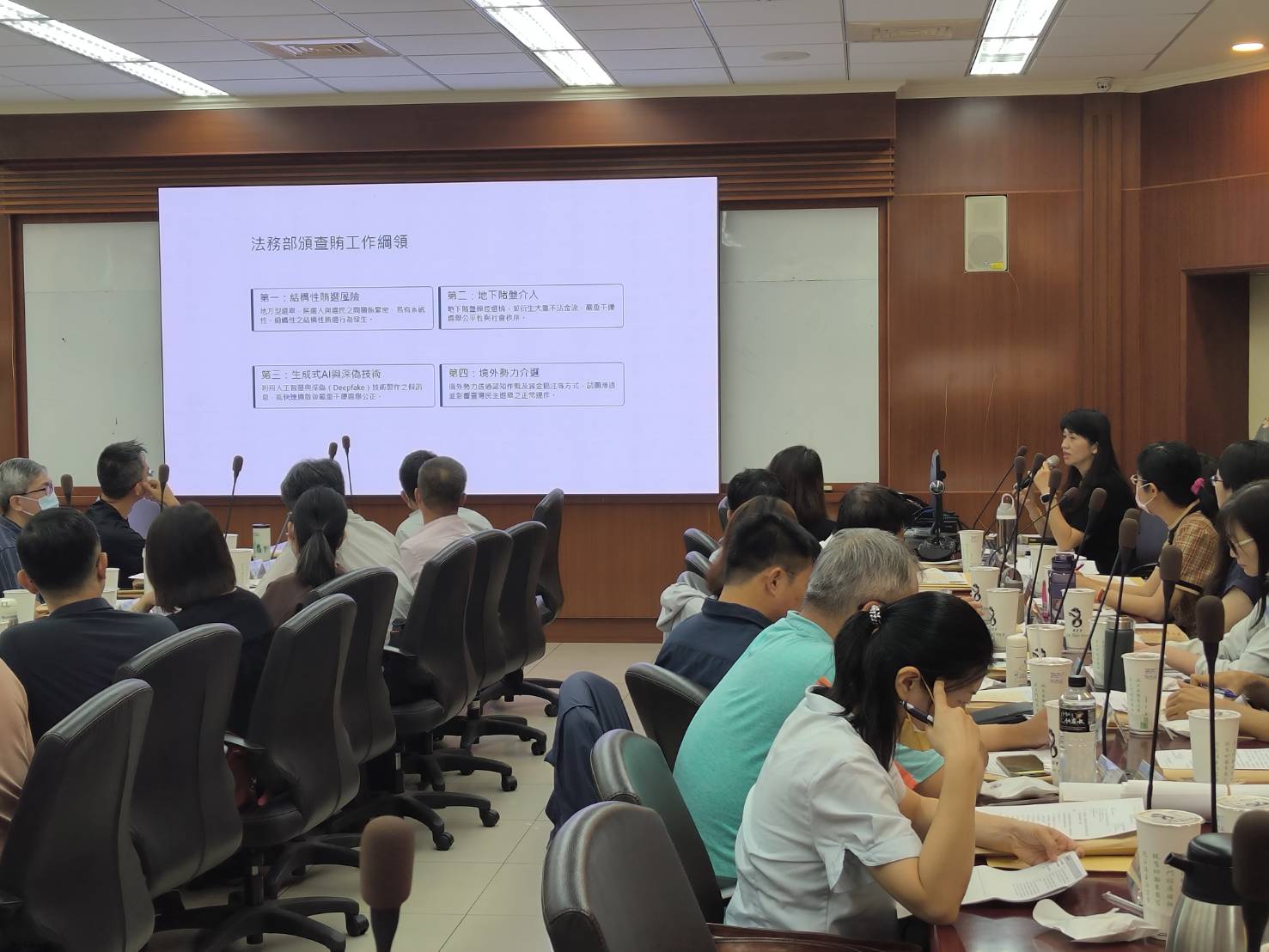
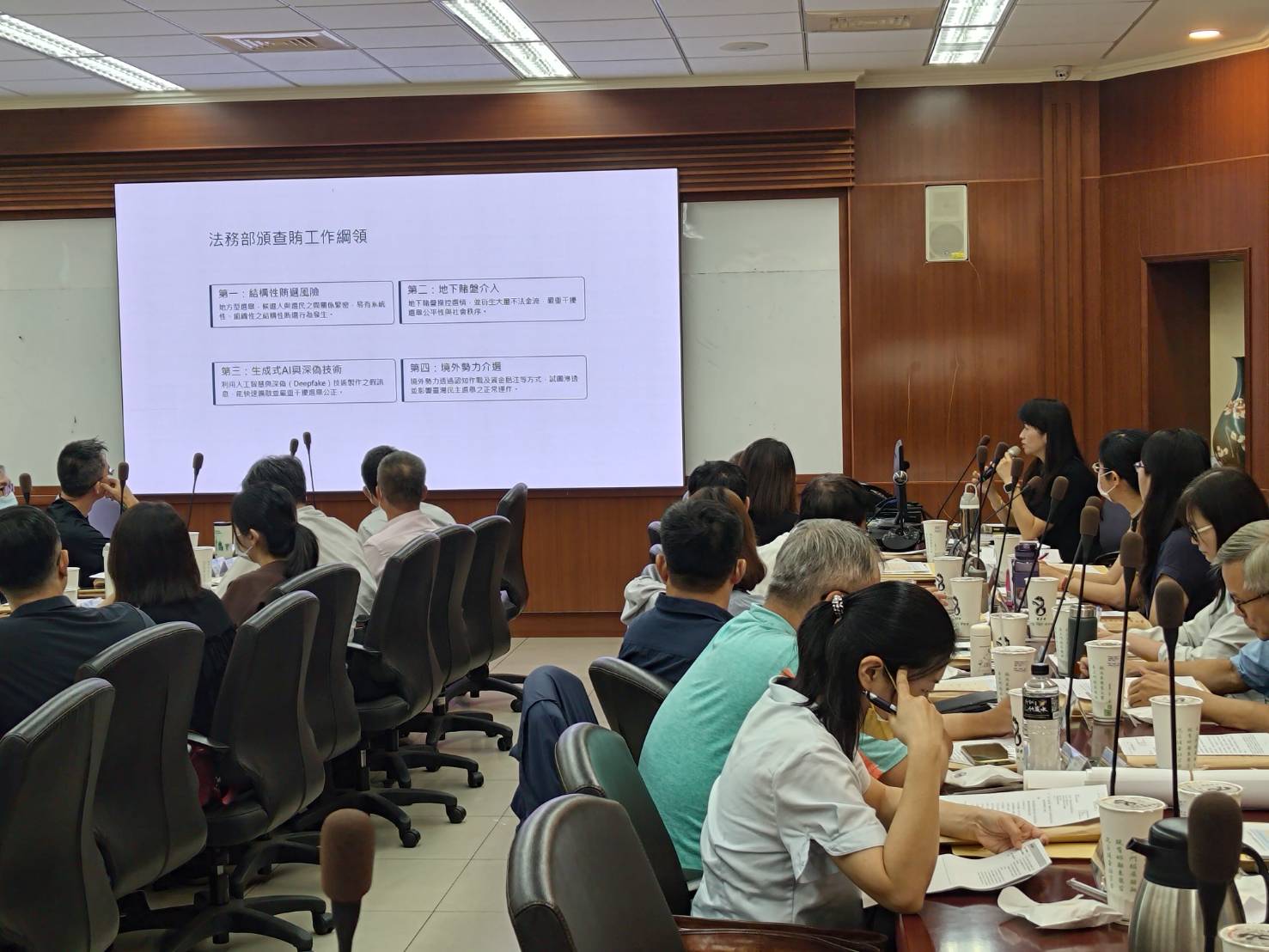
Head Prosecutor Chen Ching-hui delivered a keynote presentation titled "Bribery Investigation Techniques and Case Studies," highlighting that local elections carry high risks of structural bribery. Key investigative priorities for this election include blocking foreign interference, cracking down on underground gambling rings, curbing misinformation generated by AI and deepfake technology, and preventing "ghost voters" who register fraudulent household transfers. She detailed the criteria for identifying cash bribes, gifts, and election-related travel, stressing that the determination of a "quid pro quo" relationship does not rely solely on monetary value, but must be comprehensively evaluated based on prevailing social norms.
In his closing remarks, Chief Prosecutor Tsai emphasized that cross-agency horizontal communication is vital to effectively integrating prosecutorial, police, investigative, and ethics capabilities to combat illegal acts. He urged regional ethics institutions to maintain daily operational integrity, advance anti-fraud awareness, and implement mechanisms under the Whistleblower Protection Act, while prioritizing the "2026 Local Public Officials 9-in-1 Elections" as their core focus. By establishing early plans for bribery investigation and anti-bribery outreach, judicial agencies, administrative teams, and the general public can work together to defend a clean and fair democratic election process.
Pictures
S__79962153_0
S__79962152_0
S__79962151_0
S__79962150_0
S__79962148_0