
Ethical Management Stays the Course: Chiayi District Prosecutors Office and FANCA Join Forces to Strengthen Corporate Integrity



- Publication Date:
- Last updated:2026-04-29
- View count:75
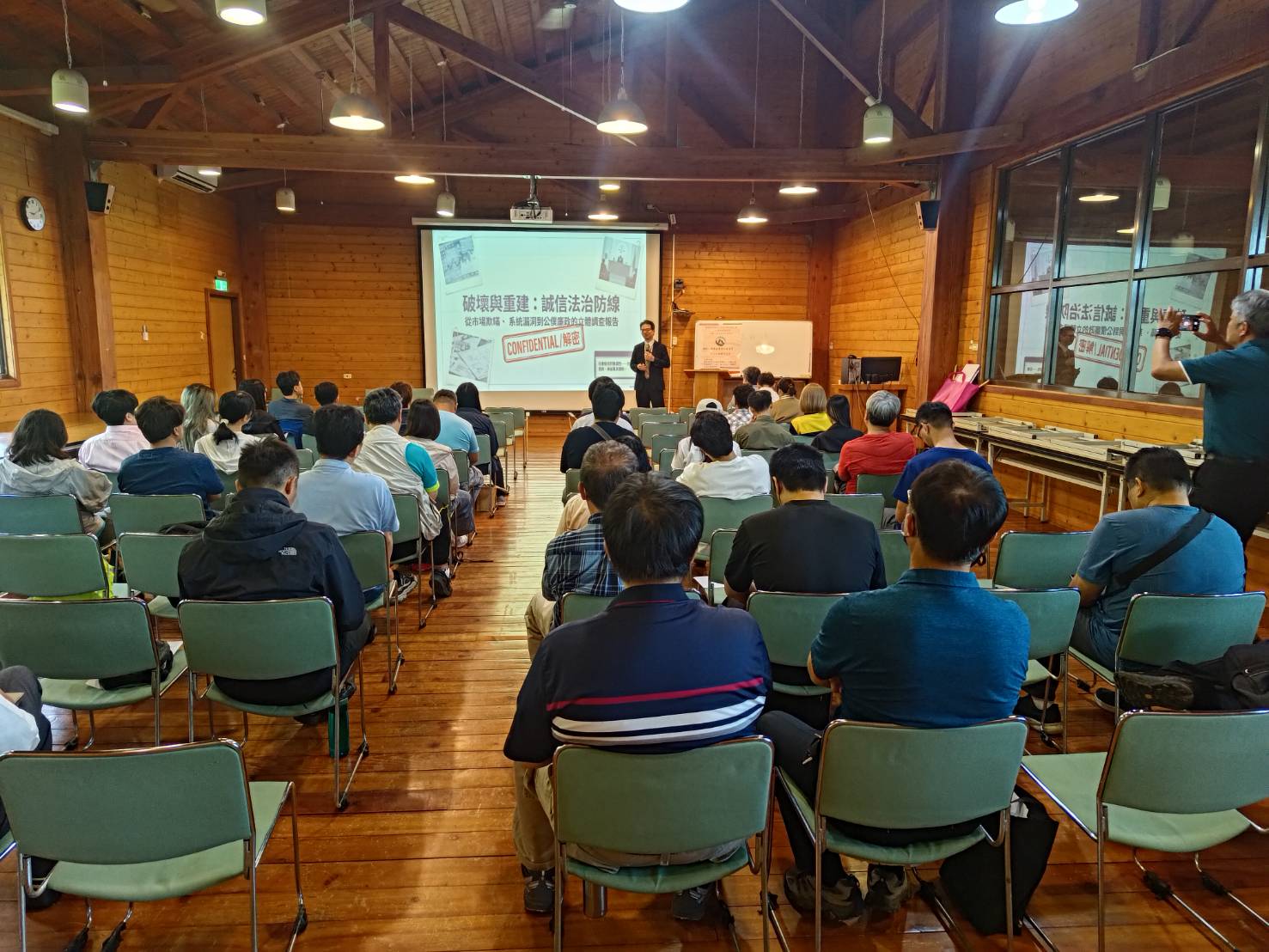
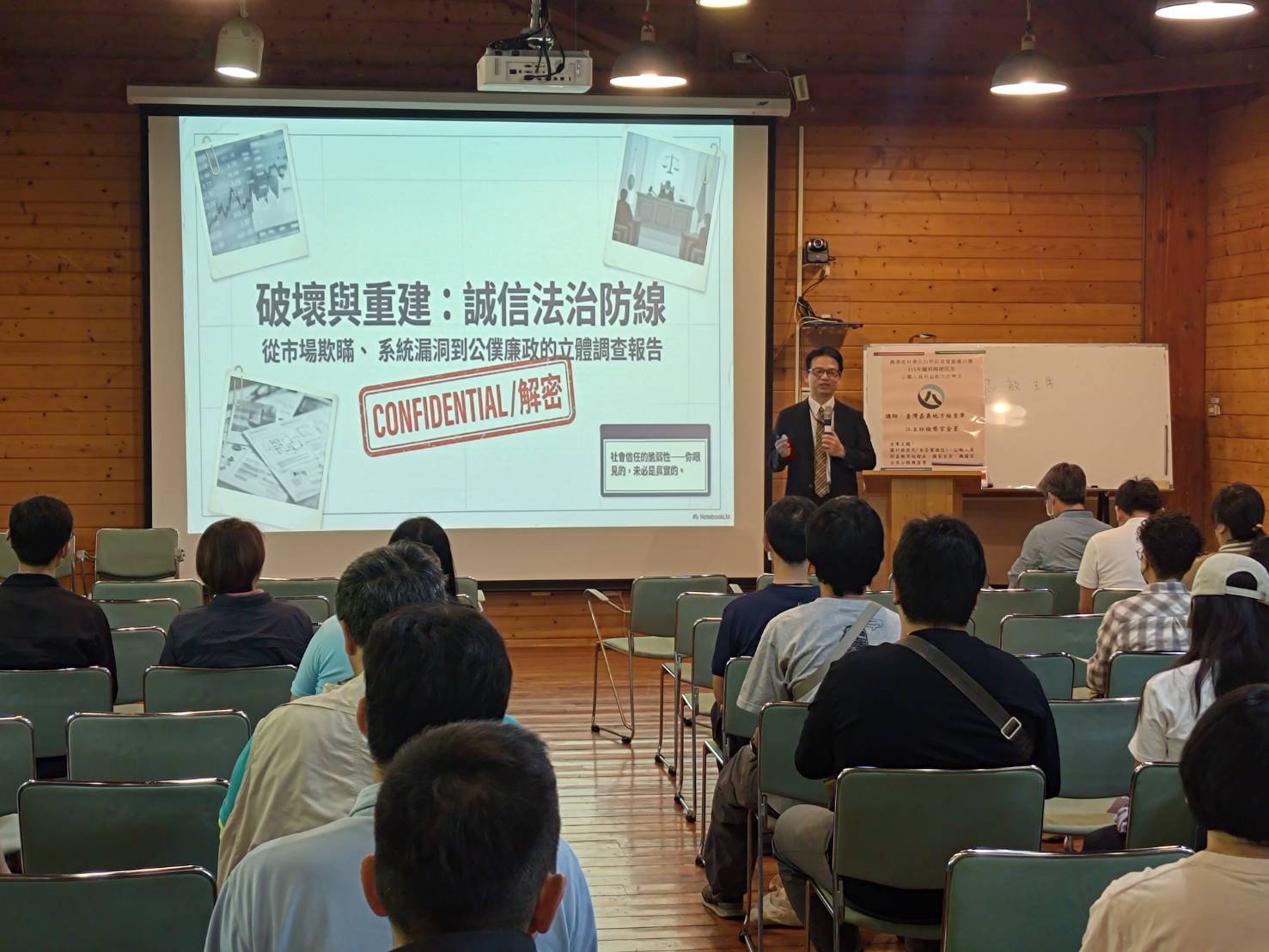
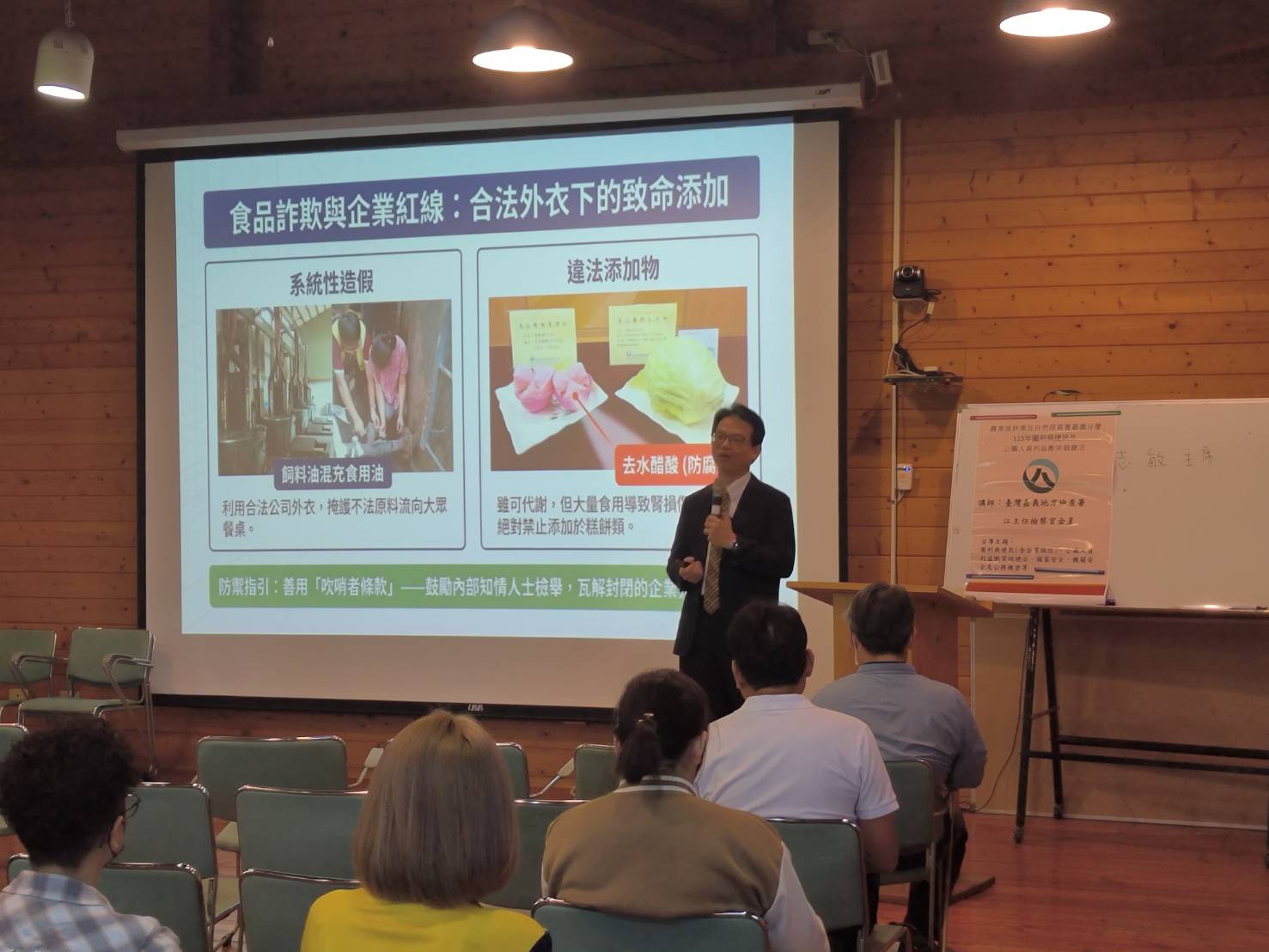
To deepen the concept of ethical corporate management and strengthen the legal awareness of partner contractors, the Chiayi Branch of the Forestry and Nature Conservation Agency (FANCA), Ministry of Agriculture, hosted the "2026 Corporate Integrity Seminar" today (29th). Chief Prosecutor Chiang Chin-hsing of the Chiayi District Prosecutors Office was invited as the keynote speaker to lead a specialized session for contractors and procurement staff.
The curriculum focused on three core pillars:
-
Corporate Integrity and Ethical Management
-
The Boundary Between "Seeking Unlawful Gain" and "Public Convenience"
-
The Act on Recusal of Public Servants Due to Conflicts of Interest
Through legal analysis and practical case studies, the seminar aimed to establish a shared consensus on integrity between the public and private sectors.
Upholding the Bottom Line of Sustainable Development
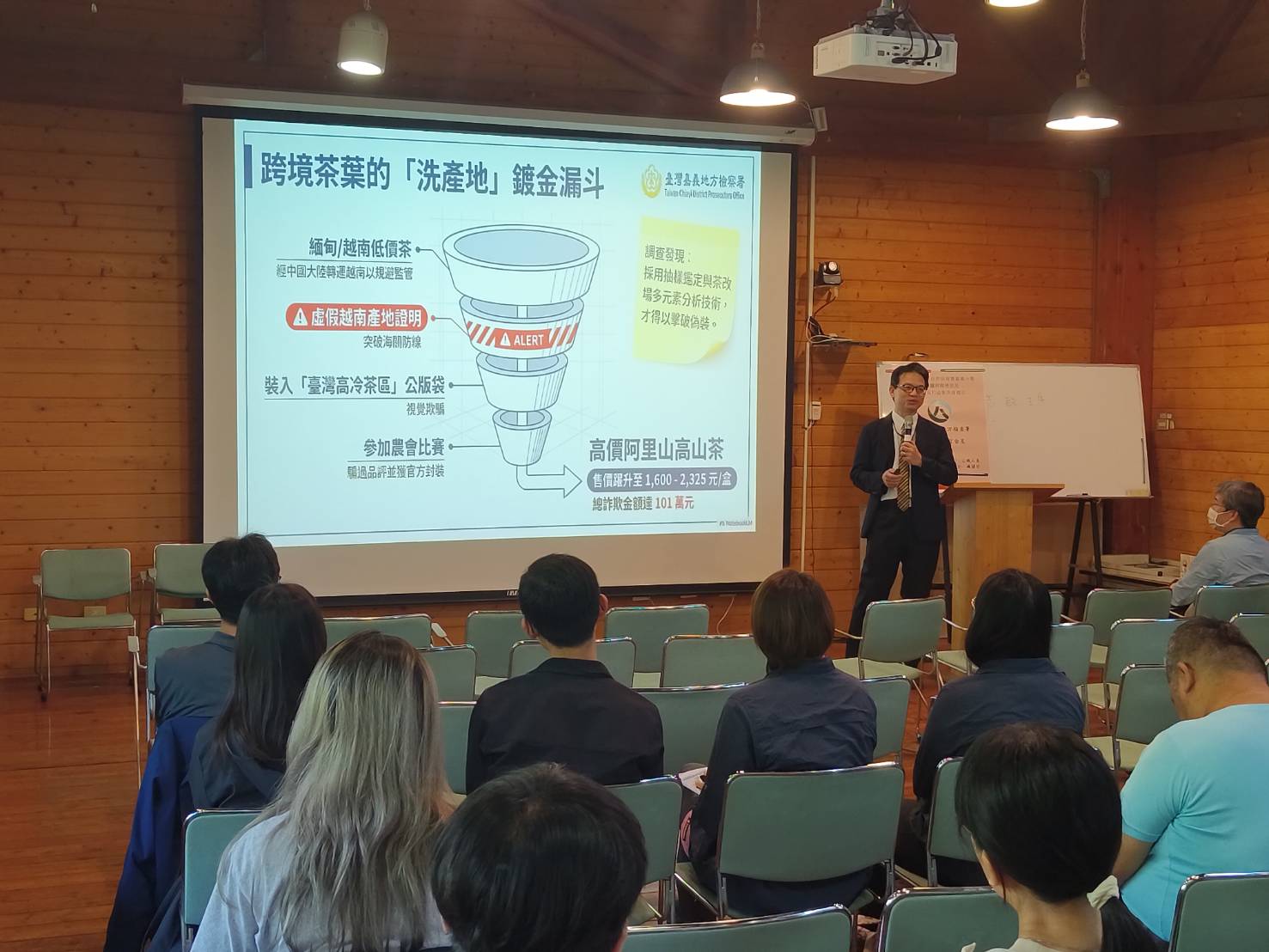
During the opening, Chief Prosecutor Chiang cited the recent high-profile case of "origin laundering" in cross-border tea trade. He pointed out that when companies use fraudulent origin labeling to bypass regulations or seek illicit profits, they not only severely damage fair market competition but also face harsh criminal penalties. He emphasized that integrity and legal compliance are non-negotiable boundaries for sustainable corporate growth.
Clarifying the Legal Status of "Public Servants"
Addressing common misconceptions regarding the definition of a public servant, Chief Prosecutor Chiang used the case of "authorized rice mills stealing and selling public grain" as an example. He explained that under the Criminal Code, the concept of a "public servant" is not limited to administrative staff but also includes:
-
Authorized Public Servants: Those authorized by law to exercise public power.
-
Entrusted Public Servants: Individuals or entities entrusted by a government agency to handle public affairs.
He warned that even private contractors may be legally recognized as public servants while performing entrusted duties. If they cross legal lines—such as engaging in improper benefit transfers or breaching official duties—they may still be held liable for corruption or seeking unlawful gains.
High-Risk Areas and Transparency
Chief Prosecutor Chiang noted that contractors must strictly adhere to legal procedures and contractual norms when dealing with government agencies. They should avoid:
-
Improper Lobbying: Seeking influence through personal relationships or pressure.
-
Illicit Benefits: Offering bribes or unethical favors in exchange for efficiency.
Furthermore, if a contractor has a specific relationship with a presiding official, they must proactively disclose this information and comply with recusal mechanisms. Particular attention should be paid to high-risk areas such as cash flows, procurement decisions, personnel appointments, and duty assignments to ensure transparency and eliminate legal risks.
Safeguarding Elections and Promoting Clean Governance
With elections approaching, Chief Prosecutor Chiang called upon the public and businesses to safeguard a clean electoral culture and report bribery. He clarified that bribery is not limited to cash; it includes banquets, gifts, travel arrangements, or any exchange of interests intended to influence voting behavior.
The Chiayi District Prosecutors Office will continue to promote corporate integrity and anti-corruption through inter-agency cooperation, striving to build a fair, transparent, and trustworthy society.
Pictures
4176_0_0
4175_0_0
4174_0_0
4173_0_0